A hard-wearing jacket or pair of trousers is not automatically easy to alter. Sturdy cloth, double stitching and riveted buttons may help a garment withstand years of use, but future changes depend on what sits behind those visible signs: usable seam allowance, accessible hems, stable grain, sensible ease and enough room for a tailor to work without dismantling the whole piece.
That distinction matters when you are investing in British utility clothing. A well-designed garment can be strengthened at the points that take strain while still leaving controlled routes for a sleeve, hem, waist or fit adjustment later. Alteration-friendly design is about planned flexibility: changing what can sensibly be changed while preserving the garment’s balance, function and original character.

Hard-wearing is not the same as easy to alter
Think of durability and alterability as two different design jobs. Durability concentrates cloth, stitching and reinforcement where movement, tools and pocket contents create stress. Alterability leaves a tailor a clear, orderly path to open, adjust and resew a section without upsetting the rest of the garment.
A seam allowance is genuinely useful only when it contains enough spare cloth, follows a workable seam line and can be reached without cutting through lining, pocket bags, topstitching or reinforcement. A narrow strip hidden inside a seam may technically be an allowance, but it may offer little practical scope. The same applies to a hem: a deep, clean hem can sometimes provide length to release, whereas a shallow turn-up or decorative finish may leave no safe reserve.
The most valuable allowances are usually found where fit changes are most likely: jacket side seams and sleeves; trouser side seams, seat and waistband; and hems on both garments. Centre-back allowances can be useful on some jackets and trousers, but their value depends on the cut, lining, vents, pockets and whether the seam is intended to carry the silhouette. More cloth is not automatically better if letting it out distorts the grain or creates an imbalance between adjoining pieces.
A good tailor will also consider ease, the small amount of room that lets a garment move, layer and hang properly. Removing ease can make a jacket look neat when standing but restrict the arm when driving or working. Adding cloth in one place without adjusting the corresponding seam or pattern piece can produce drag lines, a twisted sleeve or a trouser leg that no longer falls straight. Alterations preserve fit by respecting the original grainlines, style lines and relationship between connected pieces, with each adjustment made in proportion to the garment’s existing structure.

What to inspect before you buy
You can learn a surprising amount without unpicking anything. Try the garment on over the layer you expect to wear, then inspect it inside and out in good light. Look for seams that run logically and can be reached, hems with a clean turn, and a lining that has enough ease to move independently rather than pulling at the shell. Check that pockets, buttons and belt loops are not sitting directly on the likely alteration line. Before purchase, ask for the finished garment’s measurements and whether a particular change would disturb a pocket, cuff, lining or distinctive topstitching.

Jackets: preserve the balance between shell, lining and detail
On a utility jacket, the most alteration-friendly areas are usually the body side seams, sleeve seams and lower hem. They are relatively logical places to adjust circumference or length, provided the seam is not interrupted by a pocket, vent, heavy reinforcement or a change in grain. Sleeve length can sometimes be adjusted from the cuff end, but a working cuff, turned-back cuff, button placement or distinctive edge stitching may make that route less straightforward. Taking length from the shoulder or armhole is more disruptive because it changes the sleeve pitch and the way the jacket hangs from the body.
Jacket hems are equally practical but often overlooked. A clean hem with sufficient depth may permit a modest length change; a shaped hem, bound edge or heavily topstitched finish may not. On a lined jacket, the lining must be released and re-finished with enough ease, otherwise it will pull the outer cloth into wrinkles. A tailor may also need to reproduce the original stitch density and thread colour so the alteration sits comfortably with the garment’s workwear character.
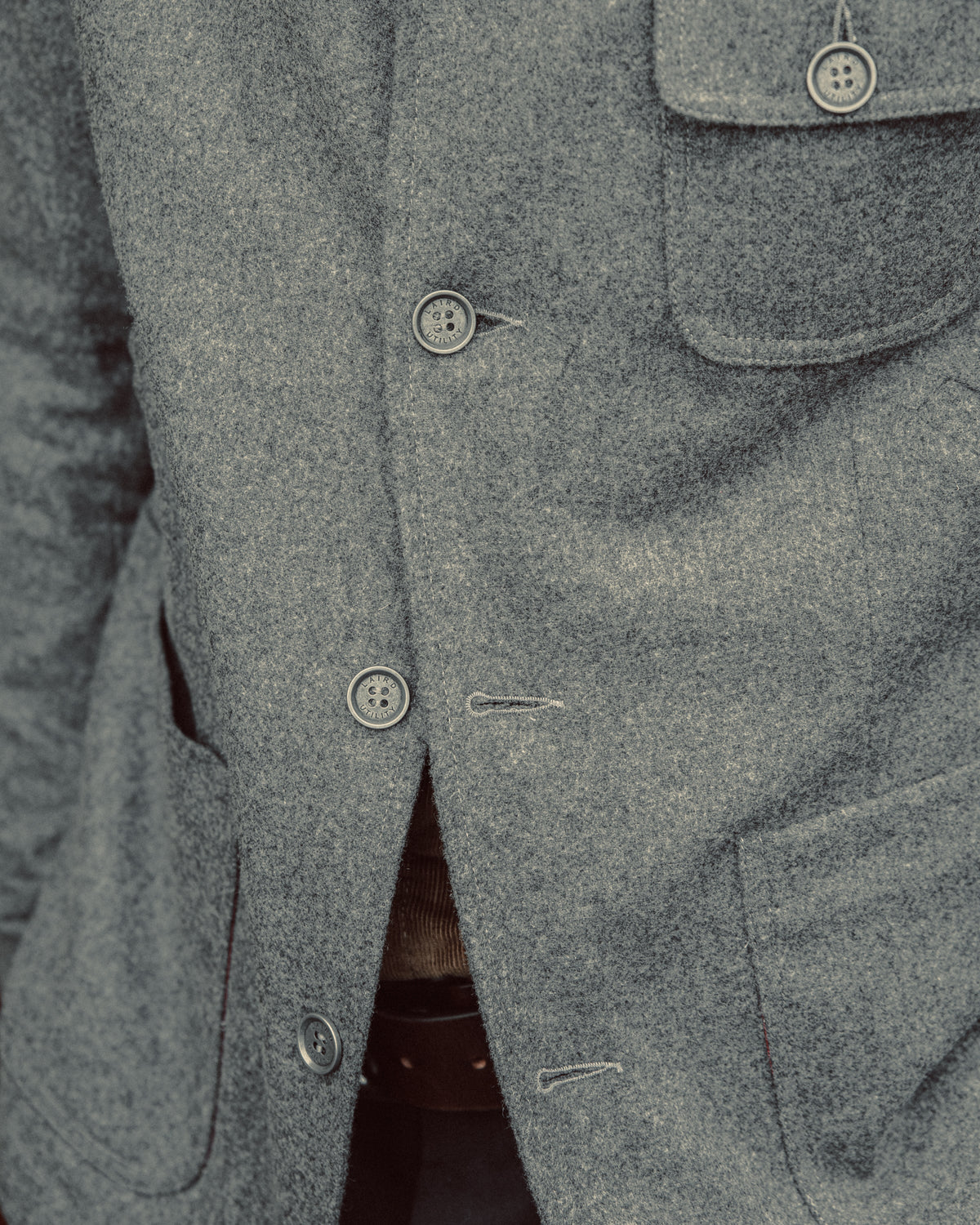
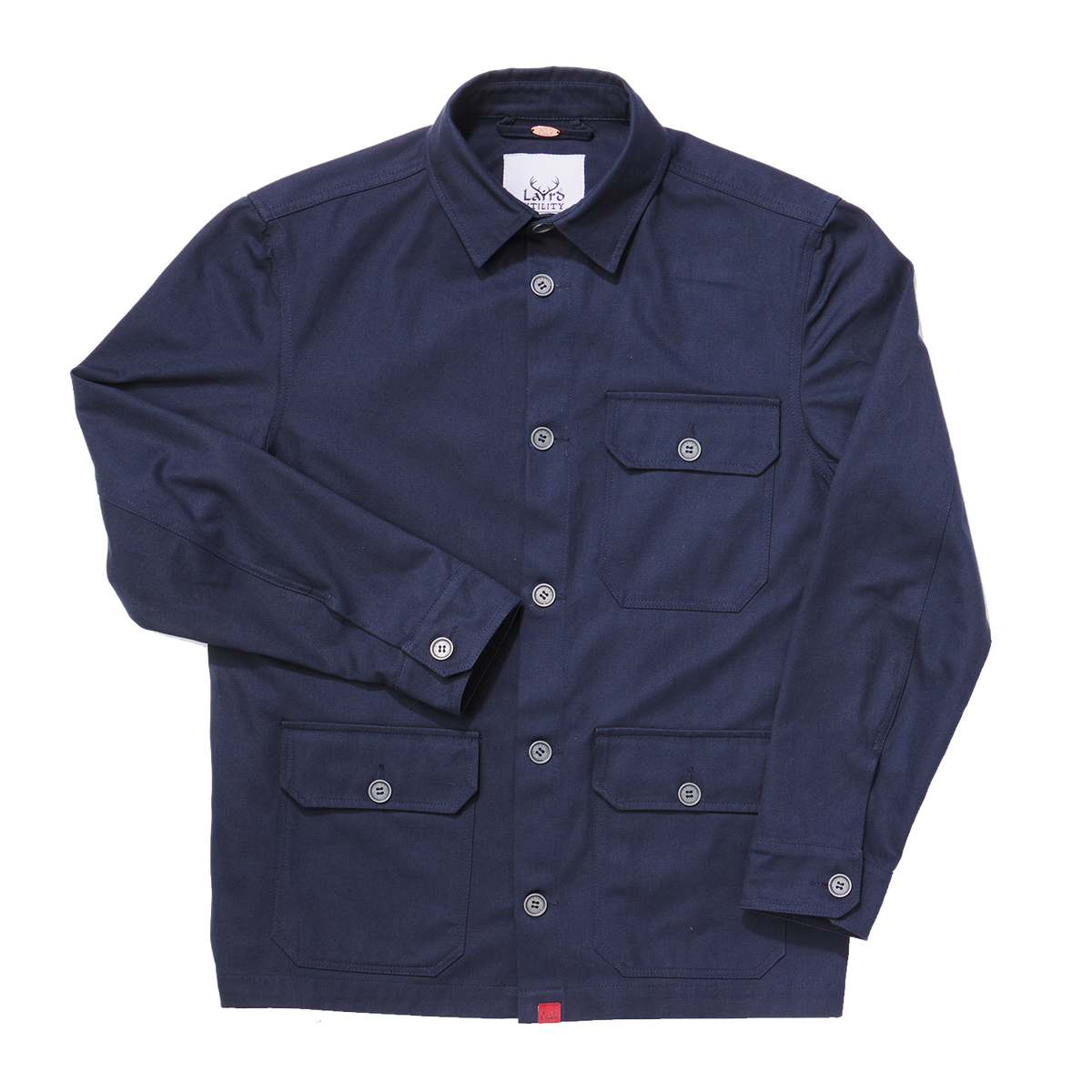
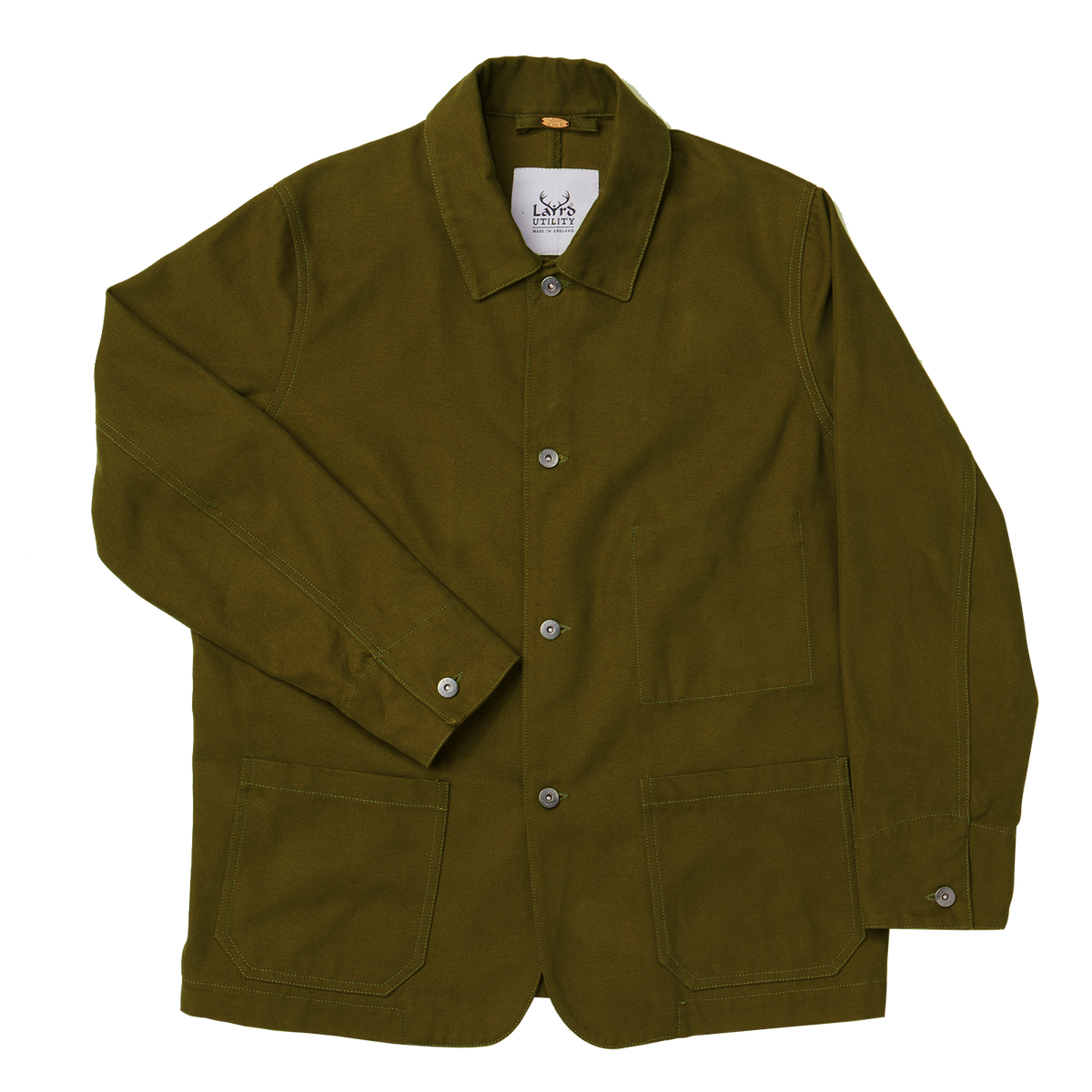
Reinforcement deserves a careful distinction. Double stitching, folded seams and riveted buttons can protect a jacket in service, as described for the British Worker Jacket, Bench Jacket and other Laird Utility styles. They can also make a particular area slower or costlier to open. Patch pockets are generally easier to understand than concealed or welted pockets, but moving any pocket can leave a visible outline, needle marks or a change in how the jacket carries weight. Rivets, bar-tacks and reinforced corners should be treated as fixed design points unless an experienced specialist says otherwise.
A quick jacket inspection
- Look inside the side seams and sleeve seams for a meaningful allowance rather than a narrow folded edge.
- Check whether the hem and cuff can be opened without cutting through decorative topstitching or reinforcement.
- Confirm that the lining has enough ease to move with the shell, especially across the shoulders and under the arms.
- Note the position of patch pockets, rivets, buttons, belt tabs and bar-tacks before discussing any body or sleeve change.
- Ask whether the proposed alteration would preserve the original grain, pocket balance and intended room for layering.

Trousers: make room for movement and measured change
Trousers often offer more predictable alteration routes than jackets, but the waistband, seat and leg need to be considered together.
Hem. A plain hem with a generous turn-up is usually among the least disruptive changes, particularly when the original leg is straight and the new length preserves the trouser’s break. A tailor should still check the grain and the relationship between hem width, crease and footwear. Removing a large amount can make the leg look too short or alter its proportion.
Waist and seat. Waist work depends on where the spare cloth sits. Side seams can sometimes accommodate a modest change, while a centre-back seam or waistband seam may offer another route. The seat is more sensitive: letting it out or taking it in affects rise, pocket placement and how the trousers sit when you walk or sit. A waistband with a clean construction and accessible closure is easier to work on than one crowded with belt loops, tabs, buttons or heavy topstitching.
Design features and reinforcement. Pleats and side adjusters create controlled flexibility, but they do not make every size change possible. The deep forward pleats and traditional side adjusters described for Laird Utility’s Match Trouser can provide comfort and a clean waistline, yet the tailor must still assess the waistband, pleat intake, pocket position and available cloth. Big belt loops, such as those described on the Bench Trouser, may be practical in wear but can restrict where a seam can be opened or require careful repositioning.
Seat and pocket reinforcement help a trouser survive use, but they also create fixed points around which an alteration must be planned. A change that crosses a rear patch pocket, pocket opening, rivet or bar-tack may be possible, but it is no longer a simple seam adjustment. When the required change is substantial, starting with a different size or cut is often wiser than forcing the existing trousers beyond their intended proportions.

The tailor’s conversation: simple changes, difficult changes
Before approving work, show the tailor the garment worn as intended and explain whether you need room for a shirt, jumper or active use. Ask four practical questions: where is the spare cloth; can the seam or hem be reached without damaging the lining and topstitching; will the grain and ease remain correct; and which original details must be removed, moved or recreated? A good alterations specialist should be able to explain the trade-off in plain English and identify a point at which replacement is the more honest recommendation.
Usually comparatively straightforward work includes a trouser hem, a modest trouser waist adjustment where the construction allows it, and some sleeve-length changes made from an accessible cuff or sleeve end. These are not guaranteed: heavy canvas, denim, twill, tweed and gabardine behave differently, and a lined or reinforced garment may require more dismantling. The cloth may also show a permanent crease or needle mark after a detail is moved.
More disruptive work includes changing the shoulder, armhole, chest or jacket length through a shaped hem; altering a sleeve from the shoulder; relocating pockets; and substantially changing the seat or rise of trousers. These areas control posture, balance and movement. On a hard-wearing jacket, heavy topstitching, rivets and folded seams may preserve its utility character but make intervention more visible. On a trouser, a change to the waist can disturb pleats, belt loops, pocket openings or the back rise.
This is where the difference between repair and replacement becomes useful. Repair or alteration is likely to preserve a garment’s character when the change follows an existing seam or hem, the cloth is sound, the original detail can be reproduced and the new proportions remain believable. A different starting size is more sensible when the garment is fundamentally wrong through the shoulders, chest, rise or seat, or when the required change would move several fixed details at once. Durability is not a reason to keep altering indefinitely.
The best utility garments combine toughness with thoughtful construction. Usable allowances, accessible hems, stable grain, retained ease and sensible reinforcement give a tailor room to make measured changes while preserving the garment’s proportions and purpose.
That is the practical meaning of alteration-friendly design. It offers a well-made starting point, clear decisions and a better chance that skilled care will extend the life of the garment while leaving its British utility character intact.
FAQ
What is the difference between a hard-wearing garment and an easy-to-alter garment?
Hard-wearing construction resists strain; alteration-friendly construction also leaves a realistic route for future work. Look for usable cloth at likely adjustment points and enough access for a tailor to work cleanly.
What makes a seam allowance genuinely usable?
It must provide enough spare cloth along a workable seam, without being blocked by a pocket, lining, rivet or heavy topstitching. Its usefulness depends on the proposed alteration, not its presence alone.
Are trouser hems and sleeve changes usually straightforward?
They are often manageable when the hem or cuff opens cleanly and the new length preserves the original proportions. A working cuff, lining, heavy cloth or decorative stitching may change that assessment.
Can an adjustable waist make a garment infinitely adjustable?
No. Pleats and side adjusters provide comfort within a planned range, but the waistband, seat, rise, pocket placement and available cloth still set the limits.
What should I ask a tailor before altering a heavy or lined utility garment?
Ask what cloth is available, where the work will be opened, which details must be disturbed, and whether the grain, ease and original finish can be retained. Ask as well about likely marks, cost and the point at which the work stops being sensible.
When is a different starting size or replacement more sensible?
Choose another starting point when the garment is wrong through several structural areas, such as the shoulders and chest or the rise and seat, or when fixed details would all need moving. Alteration is more promising when it follows an existing seam or hem.