
Bulky coats and puffy layers can overwhelm a neat silhouette in cold weather. This guide explains how small tailoring adjustments and considered layering keep you warm while maintaining a streamlined silhouette.
To achieve that, it explains how to assess the conditions, activity, and silhouette; choose snug, breathable base layers; add slim, high-loft mid-layers; and select tailored coats and streamlined shells. Practical, subtle adjustments to fit, fabric, and layering reduce visual bulk while retaining warmth.

Assess the conditions, planned activity, and desired silhouette
Match your layers to the conditions and the activity. For high-output pursuits, choose close-fitting, moisture-wicking base layers and a breathable mid layer to move sweat away and prevent clamminess. For mostly static use, favour loftier insulation over the torso to trap warm air, and keep the outer layer trim so the silhouette remains neat rather than puffy. Pick fabrics and constructions that maximise the warmth-to-bulk ratio: thin, high-loft fills, tightly knitted insulating fabrics, and merino or synthetic base layers that retain insulating properties when damp. Thin, high-loft fills trap more air per unit weight, merino maintains loft and manages moisture while resisting odour, and synthetic fibres continue to insulate when wet. Taken together, these choices reduce the need to add volume for comfort.
Make subtle fit tweaks where layers meet the body. Slightly narrow the shoulder seams to prevent tenting, taper sleeve circumference from biceps to wrist to stop fabric bunching, and add waist darts or side seams so the garment skims over layers, keeping the silhouette defined without sacrificing insulation. Adopt layer-specific fits: a close-fitting base, a fitted midlayer with articulated sleeves, and an outer shell that skims over the lot and features adjustable cuffs, a hem drawcord, and vents to release heat when you are active rather than adding or removing pieces. Place insulation strategically by concentrating bulk on the torso and upper back, using lower-profile fill in the arms and shoulders to avoid ballooning, and employing a fitted gilet for extra core warmth while keeping the limbs streamlined. These measures preserve proportion and mobility, and keep core warmth where the body needs it most.
Add a trim, hardwearing outer to refine layered fits

Prioritise snug, breathable base layers for comfort and temperature regulation
Opt for a snug, breathable base layer in a moisture-wicking, stretchy fabric. A close fit traps a thin film of insulating air and moves sweat away, keeping you warm without creating bulky folds beneath a jacket. Construction matters: flatlock or bonded seams and low-profile cuffs lie flat against the skin, minimising ridges under mid-layers and the pressure points that can lead you to size up. Trim excess length at the sleeves and hem so layers overlap smoothly; removing a centimetre or two at the cuff or waist often prevents fabric riding up at the elbows or hips. That combination yields a smooth, low-bulk foundation that lets subsequent layers perform more efficiently.
Prioritise warmth-to-weight over raw thickness: choose a thin, high-loft mid layer or a slim insulated gilet, and pair it with a trim outer layer to gain insulation without noticeable bulk. Consider minor tailoring, such as tapered side seams, subtle darts, or small gussets, to remove surplus fabric while preserving mobility. The result is a cleaner silhouette, maintained ease of movement, and layers that sit closer to the body during everyday activities.
Choose a trim, layer-ready jacket for streamlined warmth.

How to insulate with slim, high-loft midlayers for warmth, not bulk
Choose slim, high-loft mid layers, for example a jumper or a lightweight jacket, filled with compressible insulation or made from densely brushed fibres that trap air without adding bulk. Test the loft by compressing the garment; if it springs back and you can feel trapped air, it will insulate effectively. Favour baffled or knitted constructions that form continuous pockets of insulation and prevent fill from migrating. Place most of the padding across the chest, upper back, and kidney area, and use low-bulk stretch fabric on the sleeves and side panels to keep heat in the areas that lose it fastest, while preserving arm mobility.
Take in the outer and mid layers at the sleeve and shoulder, shorten any excess hem, and introduce a slight waist taper to prevent the underlayer folding up beneath a shell. Preserve freedom of movement with articulated seams or stretch inserts, rather than leaving surplus room that creates bulk. Perform motion checks by raising the arms, bending at the waist, and sitting to reveal any bulging or binding. If layers bunch, have the offending garment altered or remove it, rather than adding more cloth.
Slim, high-loft mid layers: checks, features, and tweaks
- Run a short movement and fit routine: raise both arms, reach across your body, sit down, zip a shell over the mid layer, and tug hems, watching for bulging at the shoulders, binding at the armpits, or hems folding under. Compress the garment to check for air pockets; if it stays flattened, the loft is low.
- Prioritise fabric and construction features that give loft without bulk: baffled or thin-boxed insulation for continuous pockets of air, compressible synthetic fills or densely brushed knits that regain loft after compression, low-bulk face fabrics, and stretch side panels or sleeves to reduce profile on the limbs.
- Target insulation where the body loses most heat: concentrate padding across the chest, upper back, and kidney area, and use low-bulk stretch fabric on sleeves and sides to keep warmth on the torso while preserving arm mobility.
- Use simple fit tweaks and layer management: bring sleeves and shoulders in, taper or cinch hems to stop fabric folding under a shell, favour articulated seams or stretch inserts, and remove or swap any piece that bunches when you test the full outfit.

Choose tailored coats and streamlined shells for timeless, refined outerwear
Choose a single-breasted, slightly tapered coat with shoulder seams that sit on your natural shoulder line. This keeps insulation close to the body and prevents bulky folds that restrict movement. Pair the coat with low-loft insulating layers — for example, merino base layers, a slim insulated jacket, or a lightweight gilet — because materials with a higher warmth-to-thickness ratio trap more heat per millimetre. Organise your layers as a moisture-wicking base, a close-fitting insulating mid layer, and a streamlined outer shell that blocks wind and moisture while following your silhouette. Several thin thermal buffers retain heat more effectively than one bulky mass.
Ask a tailor to make small alterations: taper side seams, narrow sleeve width, reduce or remove heavy lining, and shorten overly long hems to cut internal fabric volume without compromising the coat's structure or draught protection. Choose targeted construction details to compress insulation evenly, such as vertical quilting or channel stitching. Add a gilet for core warmth, and fit a high collar or internal draught strips at the neck and wrists to seal edges rather than add bulk. Combined, these measures trap heat where it is needed while preserving a slim, wearable silhouette.
Pick a medium-weight outer that layers without bulk.

Refine your silhouette with precise tailoring details
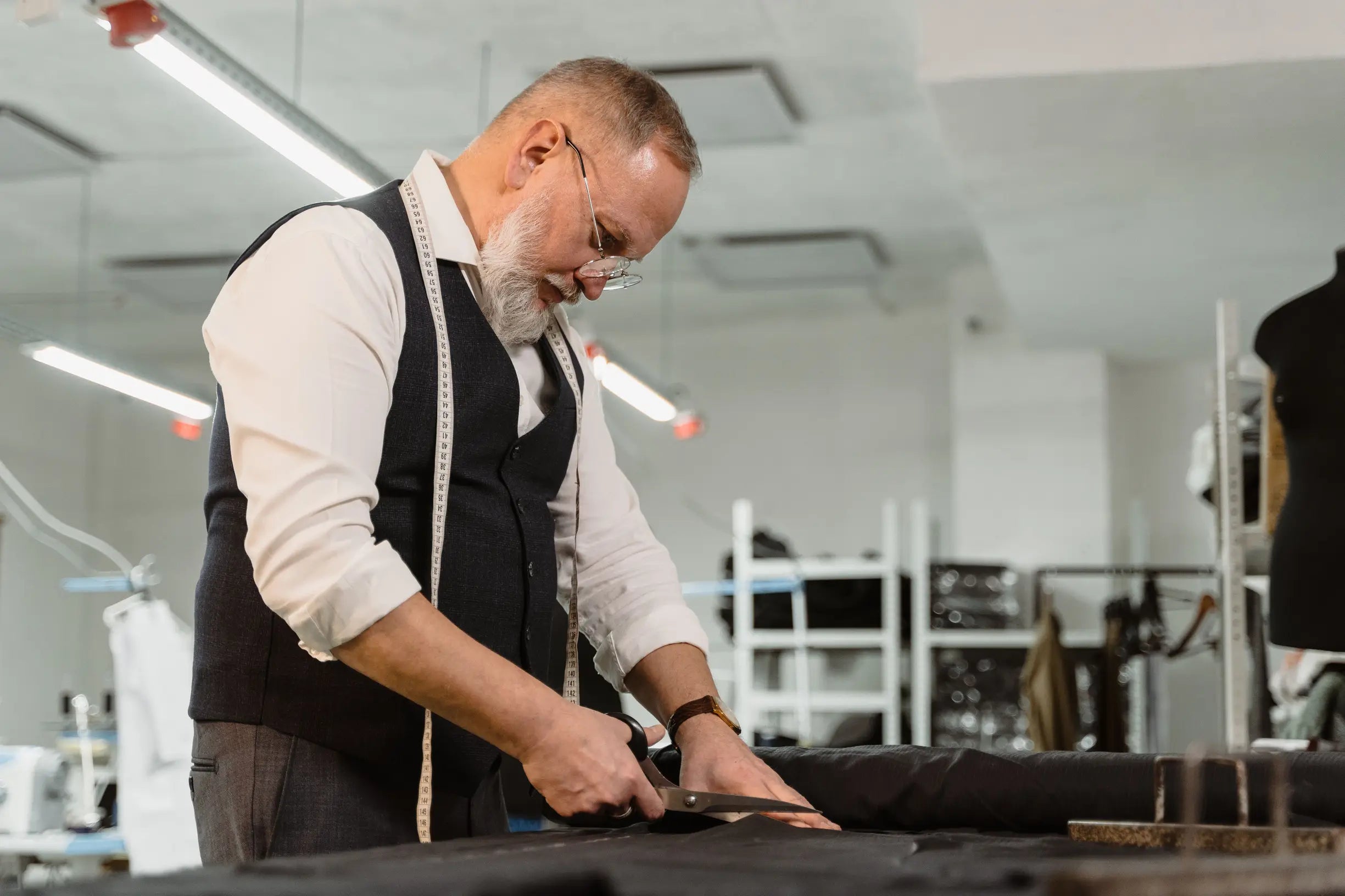
Small tailoring adjustments can convert a bulky garment into a close-fitting layer that still permits easy movement. Raise the armholes by 1 to 2 centimetres, and taper the sleeves toward the wrist to eliminate excess fabric under the arm. Take in the side seams and shorten the hems to stop layers billowing or bunching beneath outerwear. Add adjustable closures, such as internal drawcords and narrow cuffs, and introduce vertical, or princess, seams, which run from shoulder to hem, to contour the outer layer and trap warm air at key points. Together, these changes let upper layers sit closer to the body while maintaining a full range of movement.
Concentrate insulation on the torso by shifting loft or padding to the chest and upper back while keeping the arms and hem slimmer, since thermal studies indicate the torso accounts for the greatest heat loss. Pair a close-fitting, moisture-wicking base layer with a compressible mid layer, such as fine down or a modern synthetic fill, to trap warm air with less visible bulk. A snug base reduces air gaps so a thinner mid layer performs more efficiently, and compressible fills retain loft when worn beneath a tailored outer shell. This approach preserves core warmth without making every layer bulky.
Overall, small, considered tailoring adjustments and careful layering trap more heat with less profile, preserving warmth in areas prone to heat loss while maintaining a lean silhouette. A snug, moisture-wicking base layer, a slim, high-loft mid-layer, and modest reductions in sleeve, hem, and shoulder volume demonstrate how fit, fabric, and construction outperform mere bulk.
Work through the layers: begin by assessing the conditions and the planned activity. Prioritise a breathable base layer, favour compressible insulation focused across the chest and upper back, and adjust outerwear so it sits close rather than bunching or trapping air. These simple, testable adjustments preserve mobility, streamline your silhouette, and deliver noticeably better warmth and ease of movement, so try one change at a time and keep what proves effective.