
Finding clothes that endure a busy day on site while still looking smart in meetings often feels impossible. Do you sacrifice tailored shape for comfort, or change outfits when you move from the site to the office?
This guide explains how choices of fabric and weave, considered tailoring, functional detailing, and robust, repairable construction work together to deliver mobility without sacrificing a refined silhouette. Read on for practical advice on selecting materials, adjusting fit, and styling outfits that transition effortlessly from the office to the weekend, with care and longevity in mind.

How to Choose Fabrics and Weaves for Performance and Polish
Start by matching fabric families to function. Wool's natural crimp traps air, providing insulation while helping a blazer keep its shape. Cotton breathes and softens with wear, which makes it well suited to shirts and casual trousers. Synthetic and technical blends introduce stretch and moisture management for more active days. Weave choice changes both handle and appearance. Plain and poplin read smooth and crisp on shirts. Twill and gabardine hide wear and resist creasing on trousers. Herringbone and hopsack add texture without bulk, which works well for blazers. For outer pieces, canvas and melton give a hard-wearing, structured finish that preserves shape and resists abrasion. Match weight and finish to intended use rather than to transient trends: choose lightweight cloths for shirts and summer trousers, midweight for year-round blazers, and heavier cloths for outerwear. Consider finishes such as mercerisation, brushing, or durable water-repellent treatments to alter the hand, sheen, and performance of a fabric.
Tailoring choices can preserve utility without sacrificing polish. Half-lined or unlined jackets improve breathability; soft-shoulder construction creates a relaxed silhouette; and reinforced seams, gussets, or stretch panels at stress points preserve ease of movement. Choose vents and chest construction that permit movement while maintaining a neat silhouette, and favour shaped hangers to support lapels and shoulders so garments are ready for smart-casual wear. Care for garments by airing them between wears, using steam to restore drape and remove odours, attending to stains and minor repairs promptly, and reproofing technical finishes to maintain water and stain resistance.
Opt for lightweight gabardine trousers that breathe and drape.

Tailor the fit to balance mobility and silhouette
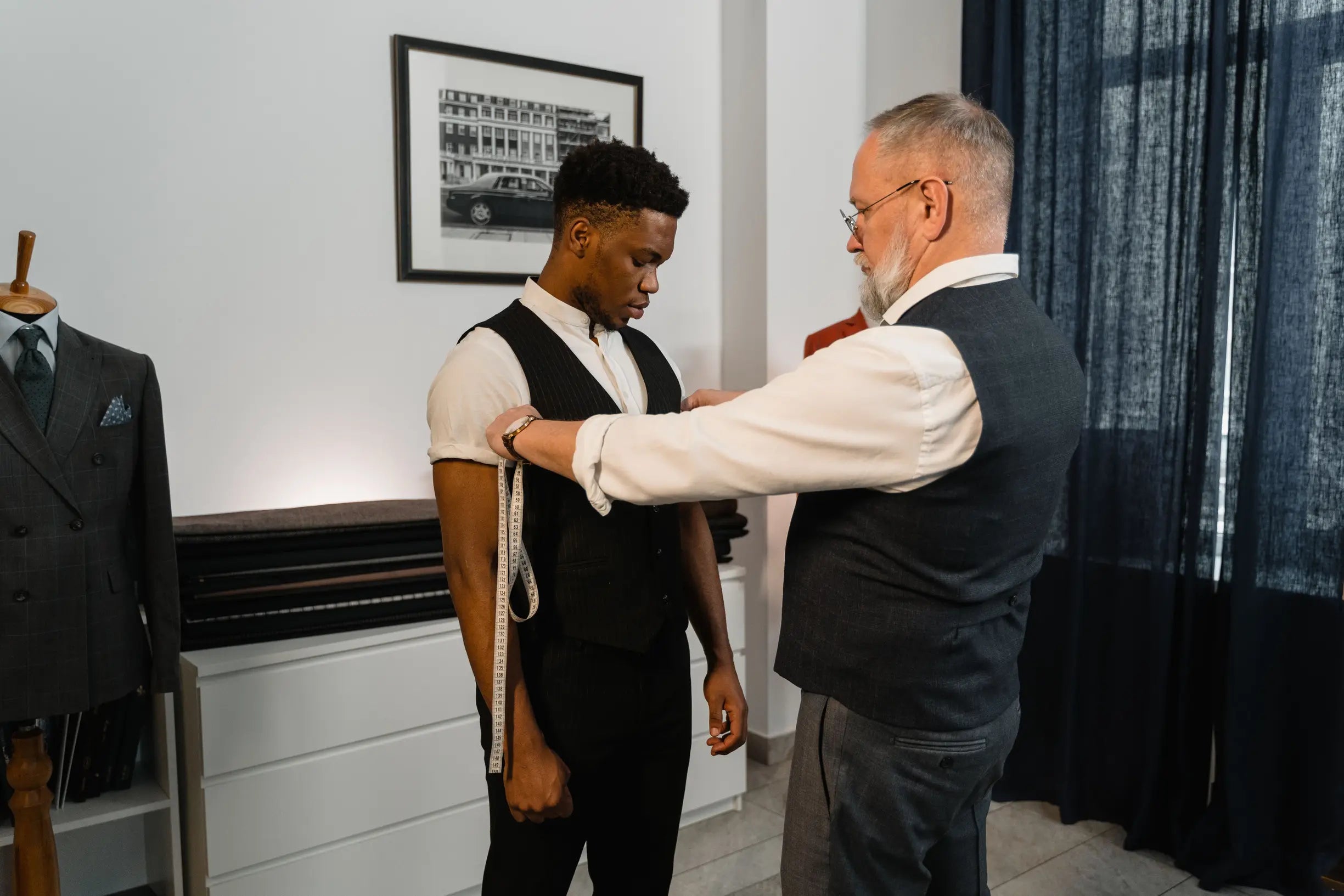
Begin by specifying and prioritising key measurements: shoulder seam placement, chest, waist, seat, rise, and sleeve or leg length. Shoulders are the hardest area to alter, so the seam should sit at the natural shoulder bone. Allow measured ease in the chest and seat so you can reach, sit, and layer without excess fabric that obscures the silhouette. Use targeted shaping where required: add room through the upper arm or thigh, introduce darts or back pleats to remove bulk at the waist, or taper sleeves and trouser legs from elbow to cuff and thigh to hem to maintain a smart, narrow silhouette.
Choose construction details that add mobility without sacrificing style. Look for split back vents, side action vents, gusseted or knee panels, and articulated sleeves; these features distribute stress when you bend or reach and reduce pulling at the seams. Match fabric behaviour to intended use: materials with natural drape and recovery, such as wool blends or cotton twill, perform well, or introduce a small percentage of elastane for additional give. Fibres that hold their structure resist creasing and maintain a neat appearance even at closer fits, while stretch fabrics permit slimmer cuts where movement is essential. Finish with modest shoulder padding and unlined or half-lined jackets to cut bulk, set cuff and hem lengths to accommodate sitting and layering, and prioritise alterations at trouble points — the crotch, back of the knee, and underarm — while preserving ease where you move most.
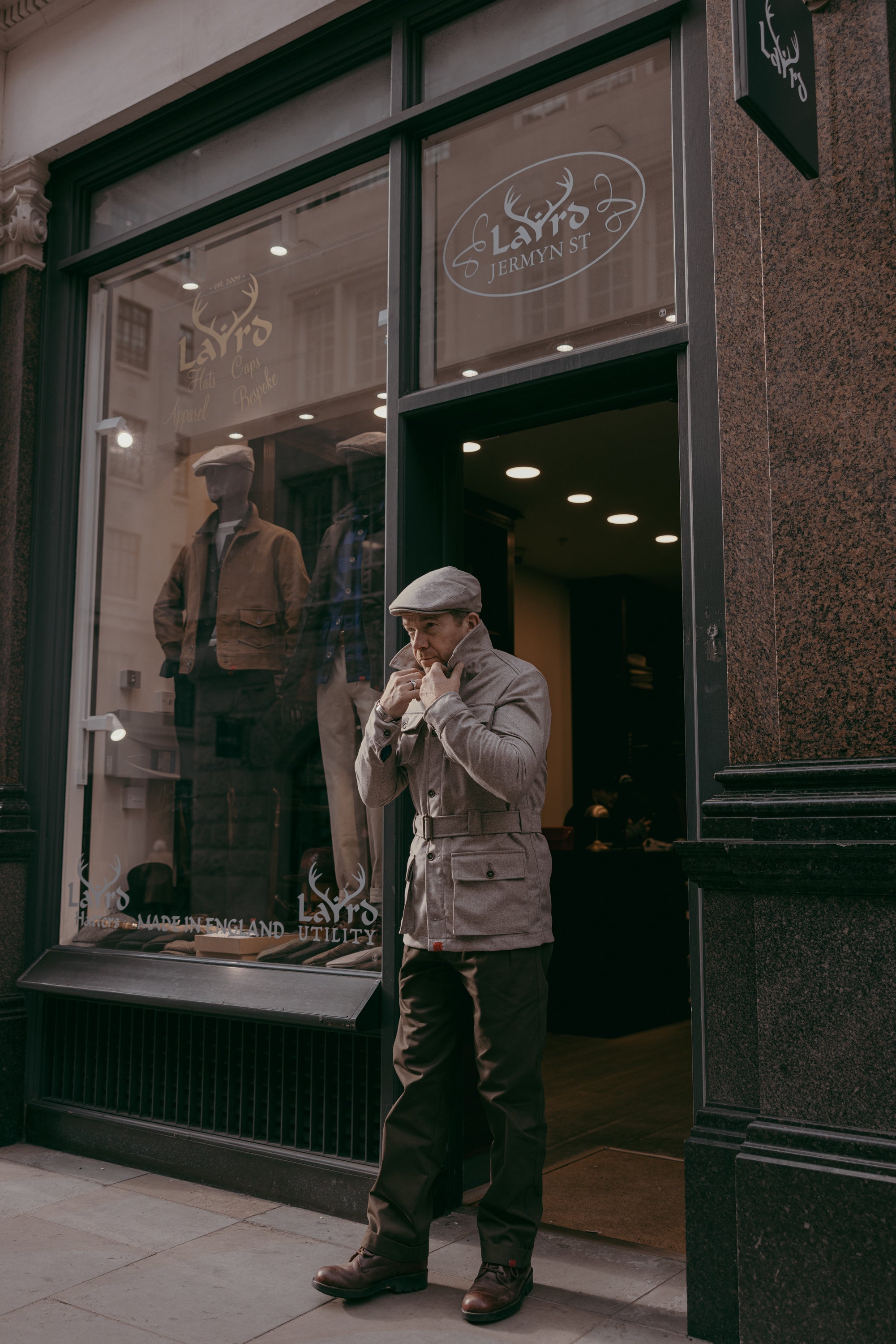
Choose a strong twill jacket for structured, low-bulk layering.

Incorporate functional details into clean, considered construction
Invisible reinforcements and considered performance fabrics preserve a smart silhouette while adding workwear durability. Look for bartacks at pocket corners, stay-stitching inside button plackets, and flat-felled or double-stitched internal seams; these small details reinforce high-stress points, prevent placket distortion, and reduce internal bulk so the exterior remains smooth. Choose woven wool or dense cotton blends with a touch of stretch and a tight weave so garments breathe, resist creasing, and retain a professional drape. Favour subtle water-repellent finishes for light weather protection that reads as practical rather than sporty. Taken together, these choices let a piece look like suiting while performing like workwear under daily strain.
Balance shape and mobility with partial linings, canvas inserts, and soft shoulder construction. A half lining reduces bulk and improves airflow, a floating canvas chest supports lapel roll without stiffness, and minimal shoulder pads let the arm move freely. Lift your arms to check for pulling or distortion before committing to a shape. Introduce concealed functionality in ways that preserve the silhouette, for example internal zipped or welt pockets for valuables, low-profile zipped vents for ventilation, and flat coin and utility pockets that lie flush so utility is available while the exterior stays clean. Finish precisely: match stitch colour to the fabric, keep topstitching minimal and restricted to edges, and choose matt hardware with consistent stitch length so seams resist wear without drawing attention.
Construction, fabric, and discreet-functionality checklist
- Construction requests: ask for bartacks at pocket corners, stay stitching inside button plackets, flat-felled or double-stitched internal seams, matched-colour topstitching only on edges, and matt hardware with even stitch length so reinforcement is invisible on the exterior.
- Fabric criteria: prefer woollen fabrics or compact cotton mixes with a tight weave and a small percentage of elastane for subtle stretch; prioritise breathability, crease resistance, colourfast low-sheen dyes, and a matt water-repellent finish for light weather protection that does not read as sporty.
- Discreet functionality: specify a half lining and floating canvas chest to support lapel roll without bulk, minimal shoulder pads for freedom of movement, internal zip or welt pockets for valuables, low-profile zip vents for ventilation, and flat utility or coin pockets that lie flush with the surface.
- Fit checks and finishing checks: raise your arms to check for pulling or distortion, inspect lapel roll and shoulder movement, confirm interior finishes (neatly trimmed seam allowances, correct stay stitching, and reinforced stress points), and ensure stitch colour matches the fabric before approving the garment.

Prioritise durability, repairability, and easy care
Rugged yet refined fabrics — twill and gabardine, melton and dense wool blends, and cotton canvas or moleskin — derive their strength from tight, dense constructions. Diagonal twill weaves disperse abrasion across the surface, melton and dense wools resist pilling and retain shape, and canvas and moleskin accept reinforcement or patches without adding bulk. Choose denser weaves in high-wear zones, and assess a swatch by folding and rubbing it to test creasing and surface resistance. Construction details should read as tailored while preventing failure: flat-felled seams and double-stitched pocket openings distribute stress, bartacks at pocket corners prevent seam pull, and gussets at the crotch and underarm increase range of motion without weakening the cut. When commissioning workwear-inspired pieces, request generous seam allowances and reinforced stress points so garments can be altered or mended as they age.
Prioritise repair-friendly details when selecting or making garments. Choose removable or easily stitched buttons, replaceable hems and cuffs, and internal patch panels that allow invisible mending. Keep spare fastenings with garments that have accessible linings or wide seam allowances to simplify later repairs. Preserve both function and finish by testing colourfastness with a damp white cloth before washing or treating, pre-treating high-friction spots, and reshaping garments while they are damp. Avoid products that break down technical coatings. Remember that synthetic blends generally dry faster and resist stretching, while natural fibres usually respond better to gentle reshaping and targeted repairs. When you work with a tailor, request matched-colour topstitching, narrow stitch spacing, and internal reinforcements at stress points. Prefer slightly roomier cuts at joints so tailored lines do not pull, while maintaining a smart silhouette.
Choose a robust canvas coat built to be repaired.

How to style outfits that transition from office to weekend
Begin with a single-breasted blazer, unlined or half-lined, in a mid-weight worsted wool or a wool blend. A defined lapel and structured shoulder preserve office polish, while the lighter lining and softer pad allow the jacket to drape more casually. Roll the sleeves, or swap a shirt for a fine-gauge jumper, to shift the same piece into weekend territory without changing the proportions. Choose fabrics by how they behave: worsted wool and gabardine hold a sharp silhouette and resist creasing for meetings; cotton poplin and twill breathe and soften for informal wear; merino or cotton jersey layer without bulk. For more formal occasions favour smaller-scale patterns and tighter weaves, and where you want a relaxed effect favour larger texture or a visibly woven cloth.
Ask your tailor for modest, versatile alterations: have trousers finished at two lengths, one that shows a sock with leather shoes and the other cropped for trainers; introduce a gentle taper through the leg so the trousers look neat without restricting movement; and set sleeve length to reveal a shirt cuff while still allowing room for a rolled jumper. Build outfits from interchangeable anchors: pair the same blazer with a crisp shirt and leather shoes for the office, then swap in a neutral jumper, unfasten a couple of shirt buttons, and wear clean trainers or loafers for the weekend, keeping a restrained palette and adding a single contrasting texture or colour to shift the mood. Use finishing details to signal intent: smaller patterns, matte buttons, and slim lapels convey a smarter appearance, while chunkier soles, more pronounced textures, and contrast stitching read more relaxed. Carrying a lightweight jumper or a slip-on shoe lets you convert a tailored silhouette quickly while maintaining proportion.
Durable, work-ready clothing that still looks smart relies on deliberate choices in fabric, weave, and construction to balance mobility with a refined silhouette. Compact weaves, strategic stretch panels, partial linings, and reinforced seams help garments breathe, move naturally, and retain their shape through everyday wear.
When commissioning or buying utility pieces, ask for gussets, soft-shouldered construction, and modest tailoring at high-stress joints. These details increase freedom of movement, preserve a clean silhouette, and reduce wear. Choose midweight worsted wool for drape and resilience, or dense cotton blends for durability and breathability, and favour discreet water-repellent finishes that shed light rain without reading as sporty. Look after garments by airing them after wear, refreshing with a steamer rather than frequent washing, and repairing small faults promptly. Keep spare fastenings and a length of matching thread, and test a fabric swatch to check finish and colourfastness before committing. Collectively, these steps help garments move from site to meeting with quiet confidence.
What fabrics and weaves give the best balance of durability and a smart appearance?
Pick tight-weave worsted wool or dense cotton blends, gabardine or twill for abrasion resistance, and textured weaves like herringbone or hopsack for smart texture; include a small percentage of elastane for subtle stretch and choose matt, low-shine water-repellent finishes so weather protection does not read as sporty.
How should a tailor adjust fit to allow freedom of movement without losing a refined silhouette?
Prioritise correct shoulder seam placement, allow measured ease in the chest and seat, add targeted room through the upper arm or thigh, taper sleeves and trouser legs from elbow to cuff and thigh to hem, and use soft shoulders, half linings, gussets or side-action vents to distribute stress and preserve shape.
What construction details add durability while staying discreet?
Use bartacks at pocket corners, stay-stitching inside plackets, flat-felled or double-stitched internal seams, matched-colour topstitching only on edges, a floating canvas chest and minimal shoulder pads, plus low-profile pockets and matt hardware so reinforcements remain invisible externally.
How can I make garments easy to repair and keep them performing over time?
Ask for generous seam allowances, reinforced stress points, removable buttons and internal patch panels, keep spare fastenings, air and steam garments between wears, spot-clean early, and reproof technical finishes while testing colourfastness on a swatch first.
How do I style one blazer to work for both meetings and weekend wear?
Start with a single-breasted, half-lined midweight wool or wool blend with a soft shoulder; pair it with a crisp shirt and leather shoes for the office, then swap to a fine-gauge jumper, roll the sleeves or leave buttons undone and add trainers or loafers to read relaxed while keeping proportion and a restrained palette.