
A well-worn utility jacket often resists alteration; careless adjustments can flatten its silhouette, distort the shoulders, or spoil the original drape. How do you refine the fit while preserving its structure, balance, and relaxed character?
This post explains how to assess a jacket's internal structure, identify seams, linings, and allowances that can be adjusted without compromising construction, and determine which measurements to prioritise. Apply these practical checks and targeted adjustments to improve the jacket's fit while maintaining its drape and original character.

How to assess a garment's structure to preserve its silhouette and drape
Begin by mapping the jacket’s structural anchors. Identify the shoulder seam, collar stand, yoke, sleeve cap, hem band, lining attachments, and any padding or stay tape. Pin or mark those points, then lift the jacket to see how the fabric hangs and which elements shape the silhouette. Before making any alterations, record precise measurements and photographs. Key dimensions to note include shoulder width, the high point of the shoulder to the hem, chest circumference, sleeve-cap height, and hem width. Use these references to assess changes and to guide restoration of the original fall if the shape shifts.
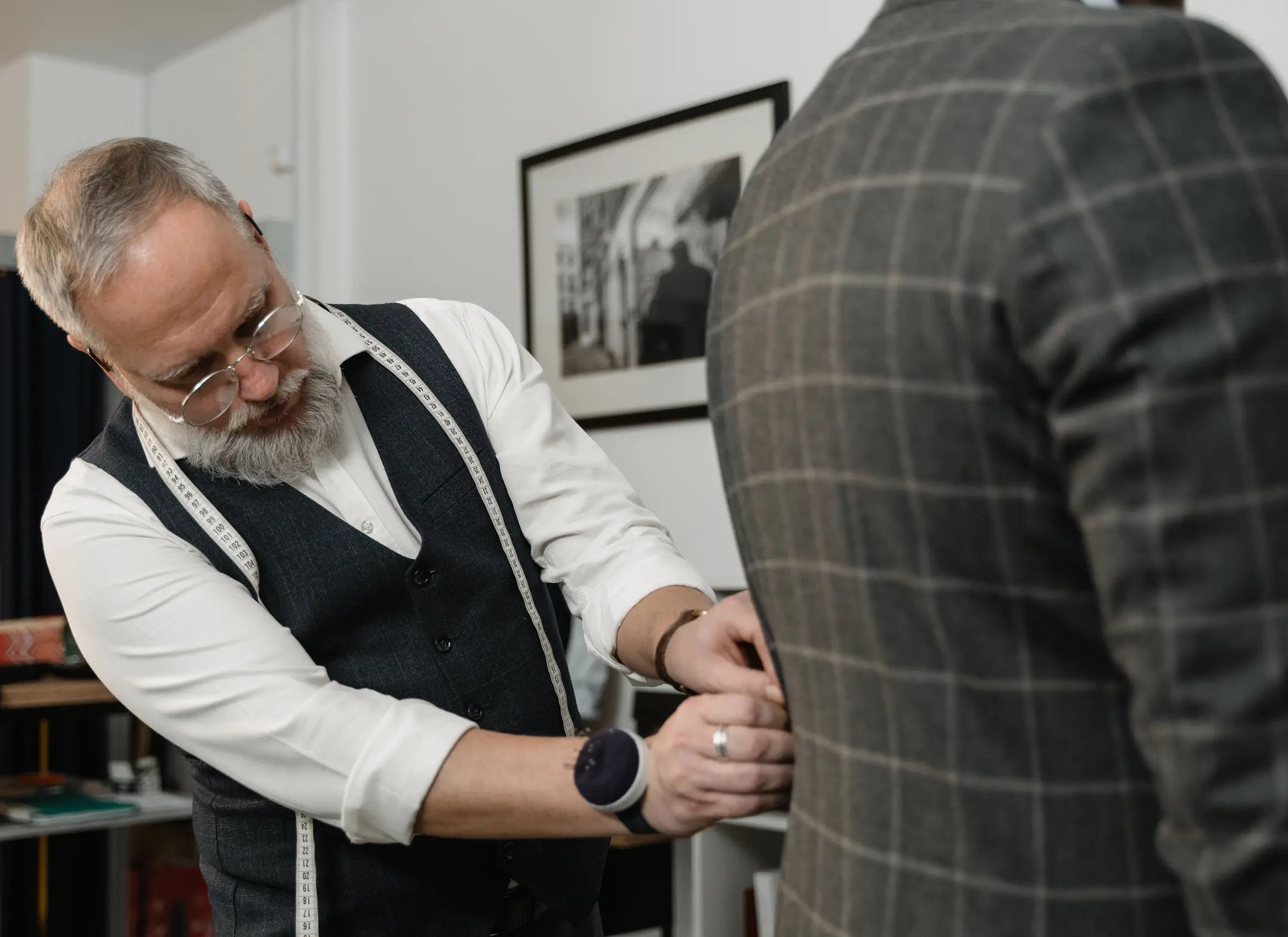
Stabilise key seams and openings to retain the jacket's drape. Add stay stitching to bias edges, insert narrow tape or lightweight interfacing at the shoulder seams, and reinforce pocket bags and other stress points. These measures redistribute tension, prevent unwanted stretching, and keep the external lines intact. Work the lining and internal structure, not just the shell. Release only the minimum lining stitches required, transfer or recreate shoulder shaping and padding onto the new seamlines, and reattach with equal seam allowances so the jacket's weight and balance remain unchanged. Test iteratively on the body and on a hanger. Baste the alterations, move the arms through their normal range, and check front-closure alignment and any back sway. Make corrections as you proceed by easing sleeve caps, shifting shoulder seams, or trimming seam allowances until the original silhouette and hang are restored.
Choose a heavy, fully lined twill for lasting shape.

How to find seams, linings, and allowances suitable for alterations
Begin by inspecting every external seam and its finish. Follow the stitch lines to pockets, vents, and the lining so you can anticipate whether alterations will shift visible stitch lines or move pocket placement. Measure seam allowances in centimetres from the stitch line to the cut edge to calculate take-in potential; for example, a 2.5 cm allowance gives roughly 1.25 cm of safe reduction on one side, while narrow or folded finishes signal limited room to manoeuvre. Lift the lining at hidden tacks, the hem allowance, and the sleeve placket to check for glued or fused interfacing, internal pads, and any areas that will need re-stitching to preserve the jacket's original hang.
Choose alteration routes that respect the jacket's original stitch lines and overall balance. Favour side seams or underarm seams, and use the centre back seam only where there is ample allowance. Mark changes in small increments and trial them with pins while the jacket is on to check drop and drape. Preserve any visible topstitching so the jacket retains its original hang and appearance. Map how shoulder pads, canvases, yokes, vent construction, and heavy hem weights from pocket bags anchor to the shell, since disturbing those anchor points will alter the shoulder line or centre back balance. If allowances are tight, open the lining at hidden tacks or the hem to reach the shell for modest adjustments, and note where restitching or reinforcement will be required to preserve the jacket's structure.
Choose a fully lined, double-stitched jacket for confident alterations

Prioritise subtle fit adjustments to preserve garment balance and drape
Begin with a measured assessment of the jacket's silhouette: observe shoulder width, back length, sleeve drop, hem circumference, and where the fabric naturally folds or pulls when worn or hung. Photograph the jacket from the front, back, and side, then compare those images with the desired hang to identify which seams most affect the drape. Small adjustments at the shoulder or collar typically change the overall hang more than equivalent alterations at the waist, so prioritise modifications that restore balance rather than simply reduce size.
Follow an alteration hierarchy that preserves the jacket's intended shape. Start with the side seams and darts to refine the waist and torso. Only then address sleeve and hem length if necessary. Leave shoulder and collar changes until last, because they reset the sleeve set and collar roll. Prioritise the jacket's internal structure rather than altering visible elements. Open the lining to adjust interfacing, reposition padding, or redistribute easing in the sleeve heads. Test any structural change on a scrap of similar fabric, and match stitch type and tension when resewing. Finish by validating the hang with targeted pressing and movement tests. Use a shaped hanger and steam to relax fibres, and press curves over a ham to retain shoulder and sleeve shape. Simulate several wearing cycles; if the lines still need rebalancing, move a pocket or reanchor a button rather than altering overall length or shoulder placement.
In summary, preserving a utility jacket's silhouette requires understanding its internal anchoring points, seam allowances, and lining, rather than merely taking fabric in. Begin by mapping the shoulder seams, canvases, and pocket anchors, and record measurements and photographs. Make small, iterative adjustments to the lining and seam allowances until the jacket's original hang and balance are restored.
As a final checklist, begin with the hierarchy already outlined: alter side seams and darts first. Stabilise the shoulder with stay stitching or narrow tape, and only adjust the collar or sleeve set if earlier changes do not correct the fit. Test each change first on a hanger, then on the wearer, watching how the cloth falls and how the shoulder line sits. Make alterations in small increments to avoid over-altering. Finally, reattach the linings and press to restore the jacket's drape, allowing the fabric to fall as intended and preserving the garment's relaxed silhouette while producing a neater, more reliable fit.