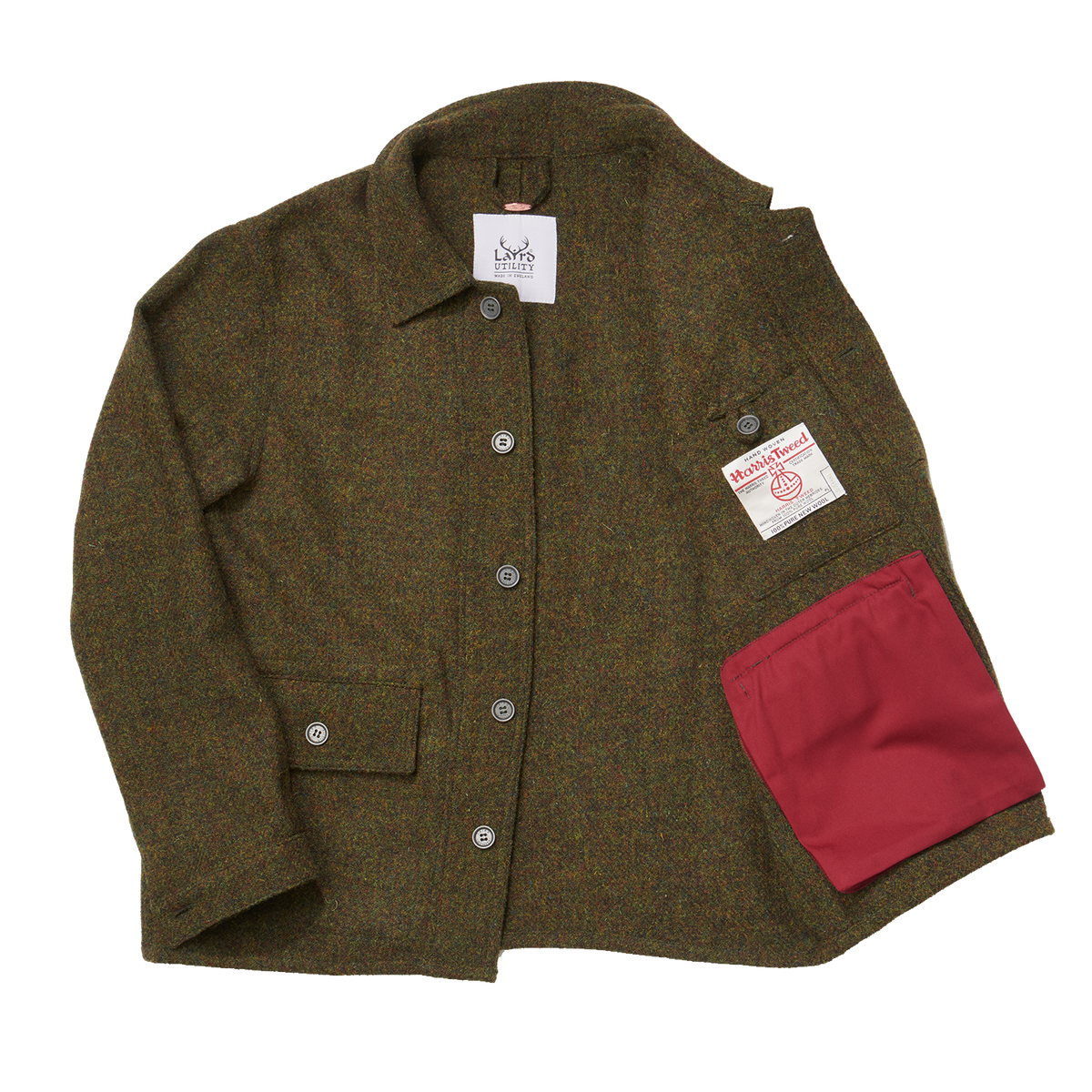

A linen overshirt earns its place in a British summer wardrobe when it does more than look seasonal. It should sit comfortably between a shirt and a light jacket: breathable enough for a warm afternoon, substantial enough for a cool evening, and easy to wear in town, on a coastal walk or at a country weekend. The strongest choice balances cloth, construction, fit and versatility rather than pursuing the lightest fabric available.
Linen naturally brings a relaxed texture and will crease with wear. That is part of its character rather than a defect, provided the garment recovers neatly and the creasing suits the occasion. For a more polished result, look for a lightly structured overshirt in a restrained colour, then judge it by how well it layers over the clothes you already wear.

Start with the cloth: breathable, but not insubstantial
Linen is useful for warm British layering because its natural handle and open, airy feel can be comfortable when temperatures rise, while a well-made overshirt still gives you a little protection from breeze and evening chill. Avoid absolute claims: no linen garment is automatically the coolest, most breathable or best for every climate. Compare the cloth by feel, opacity, drape and recovery. Hold it to the light if shopping in person, check whether it looks transparent over a pale base layer, and consider whether the surface feels crisp, soft, dry or overly flimsy.
Weight matters because an overshirt needs to behave like a layer rather than a spare shirt. A very light cloth may pack well but can look limp, show every crease and offer little useful coverage. A denser cloth may drape more cleanly and feel more reassuring in changeable weather, though it can be warmer. Look for a weave and finish that give the garment enough body to hang neatly when worn open, without making it feel stiff or jacket-like.
The practical test is simple: imagine the garment over a T-shirt at lunchtime, over a polo for travel, and over a lightweight shirt after sunset. If the cloth works in all three situations, it is more likely to become a dependable part of your wardrobe.

Fit and construction: what makes it a true overshirt
A true overshirt should have more ease and presence than a linen shirt, but less bulk than a lightweight jacket. It needs enough room for a T-shirt or fine polo beneath it, shoulders that sit cleanly, and a hem that looks intentional when worn open or fastened. The collar should hold its shape without feeling rigid, while the sleeves should allow you to bend, drive and walk without pulling across the upper back.
Use this checklist when comparing styles:
Shoulder: the seam should sit close to the natural shoulder point, unless the design is deliberately relaxed. Drooping shoulders can make a refined overshirt look borrowed; a tight shoulder will limit movement.
Chest and armhole: you should be able to fasten the front over a light base layer without strain. Raise your arms and reach forward: the cloth should move with you rather than ride sharply upwards.
Sleeve and cuff: the sleeve should finish neatly at the wrist or allow an easy turn-back. Check that the cuff is comfortable when fastened and that the sleeve does not twist or pinch.
Hem: a slightly longer, straight or gently curved hem can support layering, but it should not overwhelm your trousers. Try it both open and closed.
Details: examine button security, seam consistency, pocket placement and the strength of stress points. A useful pocket should be accessible without distorting the front, and the fastening should work whether you wear the overshirt open, partly buttoned or closed.
Do not choose automatically by your usual shirt size. Measure a well-fitting garment, compare the product measurements and consider the layers you intend to wear.
Laird Utility’s shirt size chart describes its Classic Fit as the roomiest silhouette, with a fuller body, lower armhole and longer sleeve. Use that as a reference for understanding measurements, but do not assume the Overshirt follows the Classic Fit unless its product page confirms it.

Colour, styling and care for real summer days
Muted colours usually earn their keep. Stone and natural tones sit comfortably with navy, olive, tobacco, grey and faded denim; navy is dependable with stone trousers, ecru denim and brown leather; olive adds a country note without becoming costume-like. Choose the colour that gives you the most combinations, and check the product page for the shades actually available rather than assuming every overshirt comes in a full palette.
Keep the styling easy. Over a plain T-shirt, wear it open with chinos, linen trousers or denim and simple trainers, loafers or suede shoes. Over a polo, fasten one or two buttons and let the overshirt act as a light travel jacket. Over a casual shirt, leave the collar visible and keep the rest of the outfit quiet. For a garden party or smarter summer lunch, choose a cleaner fit, pressed trousers and restrained footwear; for a coastal walk, an open overshirt over jersey and practical shoes is enough. Avoid matching every texture or adding too many accessories. Its appeal lies in that useful middle ground.
Linen’s creasing should be managed, not eliminated. Follow the garment’s care label where one is provided; otherwise, wash gently, avoid unnecessary heat, reshape while damp and dry naturally rather than over-drying it. A light press or steam can tidy the collar, cuffs and front, while leaving a little natural texture through the body. Store it clean and dry on a suitable hanger, or fold it loosely if the cloth is soft.
Once you know how you want to wear and care for the garment, check the Laird Utility Overshirt product page for its current description and any listed options, measurements or care information. Laird Utility positions its clothing around versatility, practical style and British craftsmanship. The practical criterion is whether this particular overshirt suits your own town-and-country routine and the layers you plan to wear.
Frequently asked questions
Will a linen overshirt crease too much? Yes, linen will crease with wear. That relaxed texture is part of the fabric’s character; a light press or steam is usually enough to tidy the areas that matter.
Should I buy my usual shirt size? Treat your usual size as a starting point only. Compare the overshirt’s measurements with a well-fitting garment and allow room for the layer you intend to wear beneath it.
Can I wear it over a shirt as well as a T-shirt? Yes. Check that the chest, armholes and collar allow comfortable movement, then keep the colour and the rest of the outfit restrained.
How should I care for it? Follow the garment’s care label first. In general, wash gently, avoid high heat, reshape while damp, dry naturally and press or steam only as needed. Never assume that linen is waterproof or crease-resistant unless the maker specifically says so.
A good final choice feels comfortable, works with the clothes you already own and suits the way you spend warm days and cooler evenings. That is the measure of a dependable summer layer.