A hard-wearing jacket can outlast its first owner and still become difficult to repair. The cloth may be sound, the seams carefully made and the buttons robust, yet the person opening the garment years later may not know which thread, lining, fastener or stitch route was intended. That missing knowledge is a practical weakness, even when the construction itself is strong.
Service marks and repair notes address that quieter problem. They are discreet pieces of information built into a garment or recorded alongside it: a material reference, a component code, an orientation mark, or a concise note about how a seam should be opened and restored. They are not conspicuous technical branding, and they are not a promise that every repair is simple. They are a durable record of the maker's logic.
That principle is especially relevant to refined utility clothing, where practical construction is expected to remain handsome through years of use and occasional repair. Laird Utility describes its garments as practical, stylish and made in England from British cloths, with an emphasis on versatility and British craftsmanship on its About Us page. The question, then, is how that craftsmanship can remain legible when the original maker is no longer present.

Why strong construction still needs a record
Durability and repairability overlap, but they are not identical. A double-stitched seam may resist wear for years; when it eventually needs attention, a repairer still has to know where the original seam allowance lies, whether the seam was folded or pressed in a particular direction, and which nearby reinforcement must remain intact. A riveted button may be strong, but replacing it well depends on knowing its size, finish and relationship to the buttonhole or fastening tape.
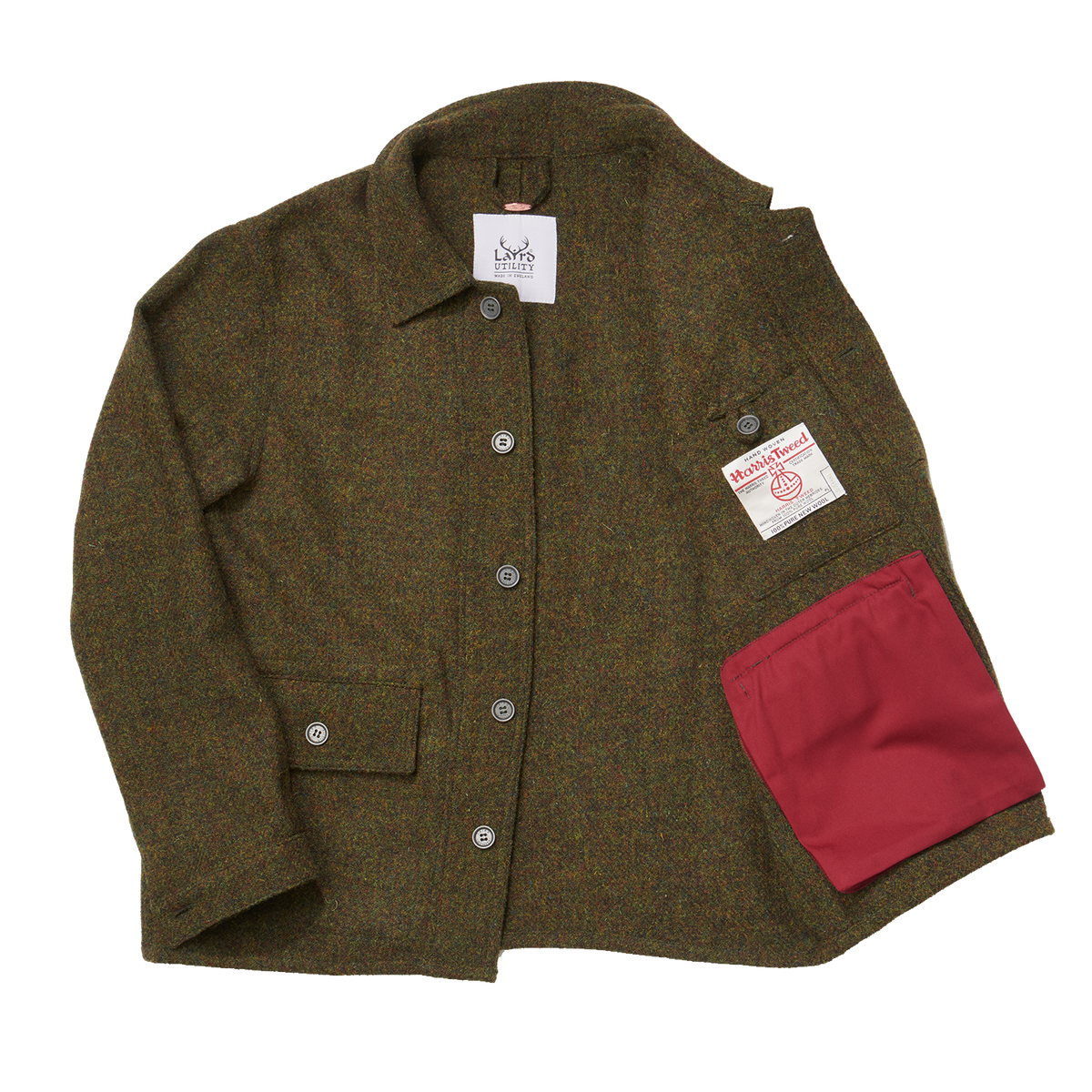
The same is true inside a pocket, cuff, waist adjuster, gilet opening or lined jacket. Once a lining is lifted or a pocket bag is opened, apparently similar materials can be mistaken for one another. A repair made with the wrong cloth or stitch path may be functional but visibly out of character, or may place stress on an area that was designed to move differently. Good service information reduces that guesswork without dictating every decision to a skilled repairer.

What a service-marking system should record
A useful system is neither a long manifesto nor a decorative label. It is a compact set of references that becomes visible when a garment is inspected. The information can be printed on a durable internal tape, woven into a facing, stamped on a concealed patch or recorded on a card that stays with the garment. The format matters less than clarity, stability and sensible placement.
At minimum, the record should identify the parts most likely to be replaced or misunderstood. It should also distinguish a general construction note from a finish-specific warning: a woollen cloth, heavy denim, waxed cloth, lining fabric or coated component may require different handling, so the note should direct the repairer to use judgement rather than prescribe an unverified treatment.

Part codes, orientation marks and repair logic
The most helpful references are specific enough to guide inspection but short enough to survive years of use. A part code can be more useful than a long description, provided the maker retains a matching record for that code. Orientation marks, such as left/right, front/back or grain direction, are valuable wherever a panel, pocket bag or shaped facing could be fitted incorrectly.
A repair note should describe the intended logic, not attempt to replace the repairer's judgement. For example, it might state that a seam is a folded double-stitched seam; that a reinforcement must remain beneath the fastening; or that a lining transition should be opened from the inside and restored without catching the shell cloth. If a particular finish needs specialist handling, the note should say so plainly and identify the relevant material rather than offering a generic instruction.
A practical internal service record might include
- Shell cloth: a plain material name, colour or shade reference, plus the cloth supplier or batch reference retained by the maker where relevant.
- Lining and pocket bags: the material and colour, with a note distinguishing each from similar-looking internal fabrics.
- Thread and stitch logic: the thread reference if retained, plus seam type, stitch route and whether a line is decorative or structural.
- Fasteners: button, rivet, zip or snap reference; finish; size; and whether the part is intended to be replaced as a matching set.
- Orientation: left/right, top/bottom, front/back or grain direction for shaped panels, cuffs, pocket bags and adjuster pieces.
- Repair limits: a short note indicating when the garment should be assessed by a specialist, especially where a finish, lining or coated component could be damaged by inappropriate treatment.

Where the information should live
Placement is part of the design. A mark that rubs against the body, shows through an open collar or becomes unreadable after laundering has failed its purpose. Conversely, a note buried behind a permanently closed construction may never be found when it is needed. The best locations are discreet during wear but accessible when the garment is turned inside out or opened for service.
Useful positions include an inside facing, beneath a pocket flap, beside a lining opening, inside a waistband, near a cuff construction or on the reverse of a concealed repair patch. Marks should be secured so they do not become loose threads or create a hard spot. On trousers, a waistband or pocket-bag area may be more practical than a high-friction hem. On a gilet or overshirt, an inner side seam or facing can keep the record close to the relevant components.
The visual language should remain quiet. A small woven code, restrained typography and a consistent location communicate care without turning the garment into equipment. The wearer can be given a fuller record separately, while the garment itself carries only the information a repairer needs at the bench.

A shared language for owners and repairers
Not every piece of information belongs on the garment itself. The wearer needs a clear distinction between routine inspection, simple maintenance and work that should be commissioned. A loose button, a damaged bartack or a small opening may be easy to identify; correcting it neatly can still depend on the cloth, the fastening and the surrounding construction. A torn pocket, compromised seam, damaged lining or failed zip deserves assessment before anyone starts unpicking.
The maker's contribution is a concise garment record: the product name, material references, component codes, colour or batch variation, and a date or production reference where useful. It can also note that waxed cloth, woollen cloth, heavy denim and coated components may need specialist treatment. This is particularly valuable for handmade-to-order garments or later runs where colour, lining or hardware may differ subtly.
That record gives the owner a better basis for choosing help. Before buying a premium utility garment intended to stay in use, ask which cloth and lining were used, whether buttons, rivets, zips or adjusters have identifiable references, and whether the maker can recommend a suitable repairer. Ask, too, how pocket, cuff, waistband or lining repairs should be approached. A confident answer need not promise an easy repair; it should show that continuity has been considered.
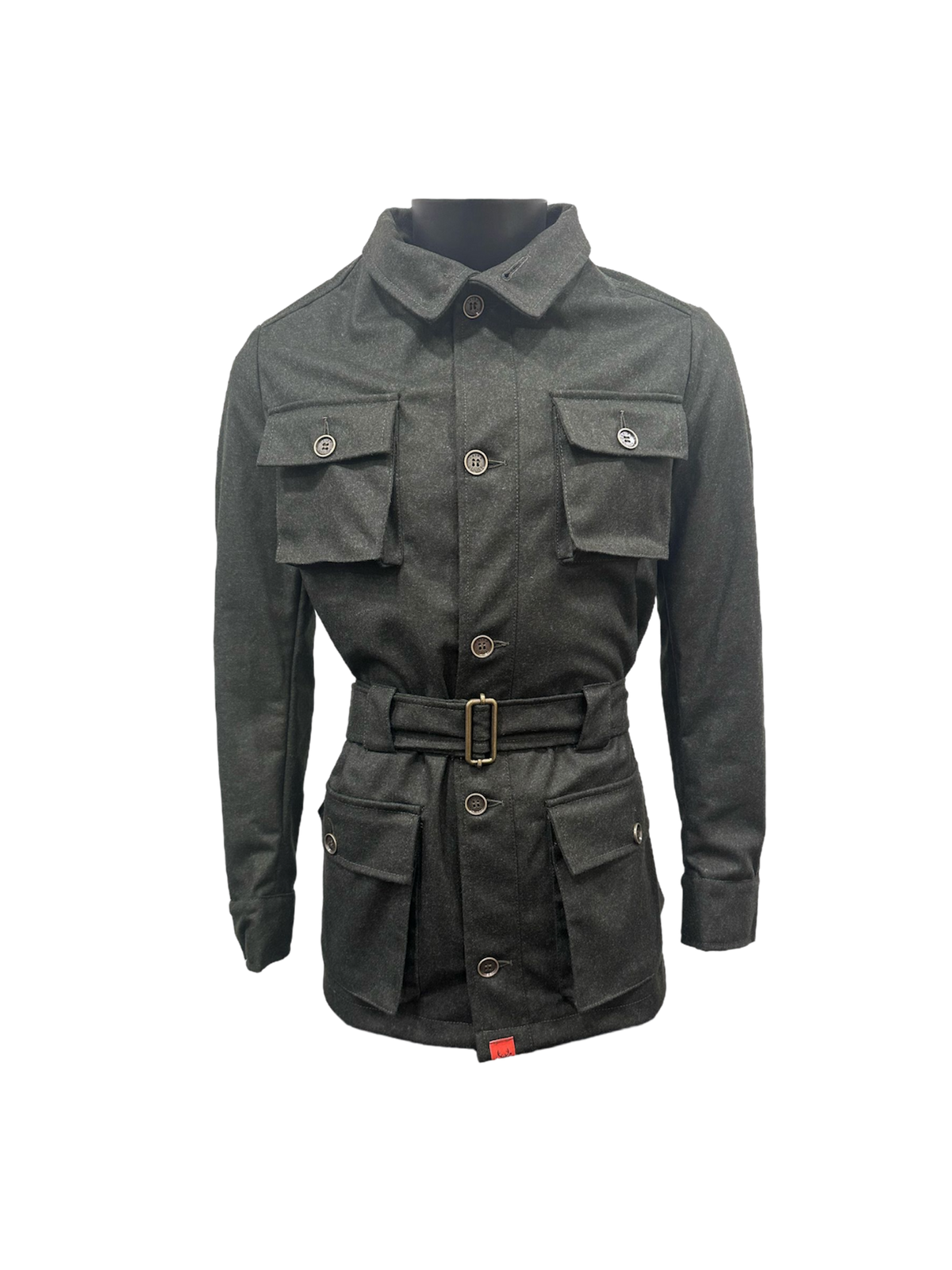
As an example of the kind of construction worth documenting, Laird Utility's Truck Denim Jacket is described with 14.5oz indigo denim, full lining, double-stitched seams and riveted buttons. Those details could make a future service record more actionable, without implying that the product currently carries such notes. The same principle applies to a jacket, overshirt, pair of trousers or gilet: durable making is stronger when its method remains understandable.
A long-life utility garment should be judged not only by how well it is made today, but by how confidently it can be understood tomorrow. A durable record of materials, components and construction gives the owner a stronger basis for choosing, commissioning or maintaining the garment, while helping a repairer preserve its character rather than merely return it to wearability.
When comparing or commissioning a utility piece, ask to see the practical story behind it: what can be identified, what should be left to a specialist and where the relevant information will remain. The most refined approach is quiet, with useful guidance inside the garment or kept alongside it, ready when needed. Look for both qualities: the strength of the making and the clarity of its future service story.
FAQ
What is a service mark, and how is it different from a care or size label?
A care or size label helps with everyday ownership, fit and garment identification. A service mark is mainly for the next inspection or repair. If you find one, photograph it before sending the garment away and keep the code with any repair receipt or parts record.
Why is durable construction not enough to guarantee easy repair?
A well-made garment can still be altered incorrectly if its original materials or construction are unclear. Before approving work, ask the repairer to identify the affected seam, component and likely method, then agree whether the aim is an invisible match, a sympathetic visible repair or simple function.
What should a concise repair note contain?
It should identify the materials and components that matter, show orientation where relevant, and flag anything that must be preserved or treated cautiously. For an owner, the most useful detail is often the boundary of the instruction: what can be inspected safely and what should be referred to a specialist.
Can service marks be added without making a garment look technical?
Yes. They can sit inside a facing, waistband or pocket area and use a short code rather than a conspicuous label. If you are commissioning a garment, ask to see where the record will be placed and whether it will remain accessible without creating discomfort or a hard spot.
Which repairs can an owner reasonably handle?
Start with inspection, documenting the damage and checking the maker's verified care guidance. A loose button or fastener may be straightforward to commission or monitor, but zip replacement, lining access, torn pockets and treatment of waxed, coated or delicate cloth are sensible points at which to seek an assessment before work begins.
What should I ask a maker before buying a utility garment for long-term use?
Ask how the garment's cloth, lining and hardware can be identified later, whether production or colour variations are recorded, and whether a repairer can access the relevant construction without unnecessary damage. Also ask what information will remain with the garment if it is sold, gifted or repaired elsewhere.