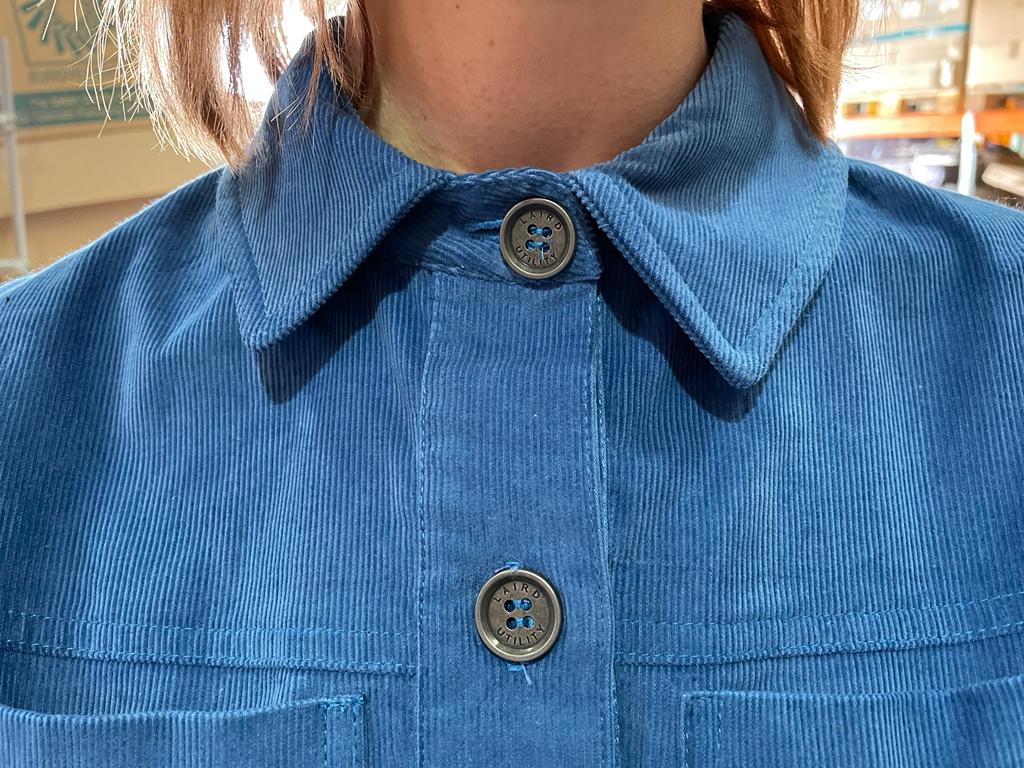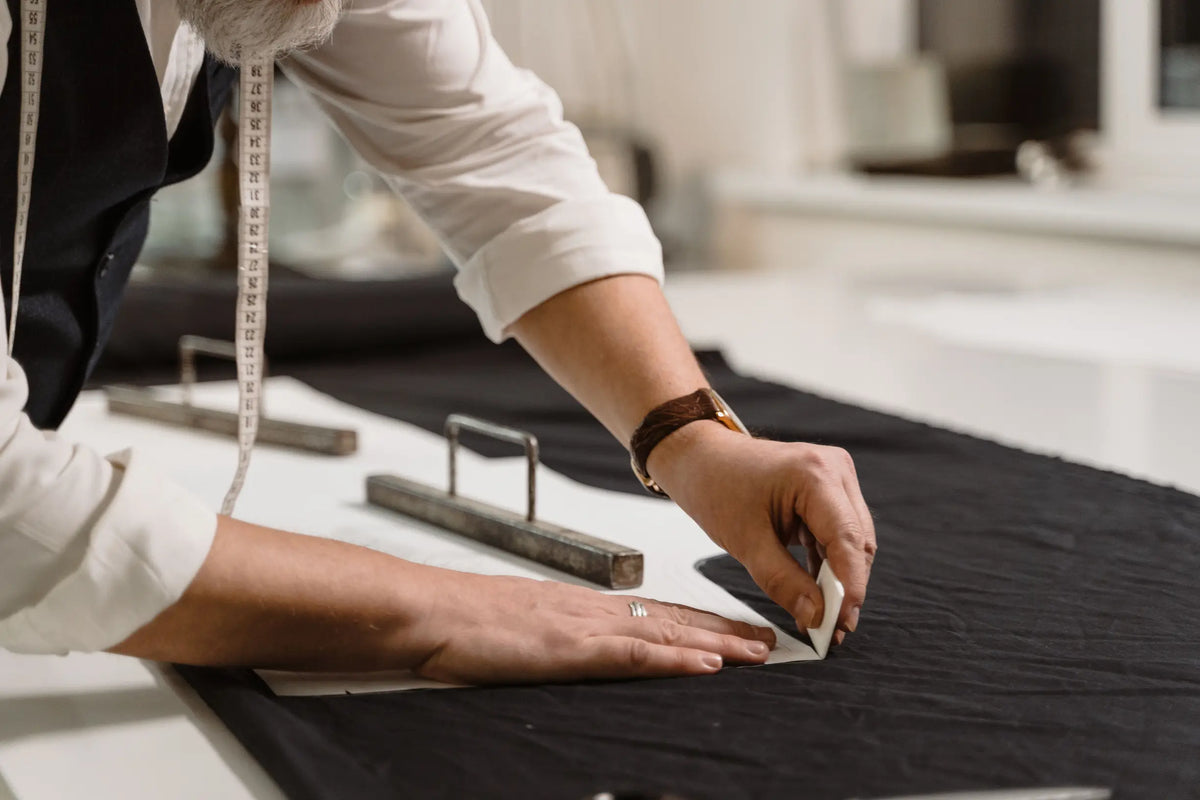

Gabardine varies widely: some garments repel rain and retain their shape, while others let water through and bag at the knees. Learning to read fibre labels and inspect weave details reveals why certain gabardine withstands weather and wear, and why other pieces fail.
This guide explains how to decode fibre percentages and construction notes, assess weave tightness and yarn twist, and identify finishes that genuinely improve water resistance and help garments retain their shape. With a few simple checks, you can predict a garment's durability and weatherproofing before you buy, saving time and avoiding disappointment.

How to assess fibre blend and construction for long-lasting garments
Start by decoding the fibre percentages, because the dominant fibre and exact blend predict water behaviour and longevity. Polyester and nylon are hydrophobic and typically high-tenacity, which improves abrasion and tear resistance, while cotton soaks up water and wool retains insulation when damp. Inspect yarn type and twist in the product's technical datasheet or mill specifications, since these details are rarely shown on consumer labels. If that information is unavailable, examine a swatch with a loupe or a small burn-test sample to distinguish filament from staple, and use that evidence alongside the blend to forecast likely performance.
Begin by confirming the weave and face direction. True gabardine is a dense, warp-faced twill with visible diagonal ribs; that construction blocks wind and sheds water more effectively than a loose weave. Check the care label and specification sheet for surface treatments, for example durable water repellent, resin finishes, waxed coatings, mercerised fibres, or calendaring. Surface treatments alter wettability and handle, so treated cotton will perform very differently to untreated cotton. Inspect construction details that affect real-world performance, including seam reinforcement, stitch density, interlining, fabric weight, and drape. Finally, perform a set of hands-on checks: hold the cloth up to the light to judge openness, place a water droplet to observe beading or absorption, and combine those observations with the label information to assess practical durability and weatherproofing.

How to assess weave tightness and yarn quality
Start by assessing weave density with the eye and a loupe (a simple hand magnifier). Hold the cloth up to a strong light and either count ends and picks per centimetre (the warp and weft threads), or note whether light passes through. A gabardine that blocks light and shows distinct diagonal twill ribs indicates a tighter weave, which typically lowers wind and water permeability. Examine a cut edge or the selvedge under magnification to distinguish filament yarns, which look smooth and continuous, from short-staple yarns, which display many fibre ends. Long-staple, worsted-style yarns present a smoother face and fewer protruding fibres, a structure that correlates with reduced pilling and improved moisture sheeting. Gently pull a yarn end to count plies, assess twist tightness, and note twist direction. Tightly twisted, multi-ply constructions hold fibres compactly and resist abrasion, while loose or single-ply yarns tend to break down faster with wear. Taken together, these visual and tactile checks allow you to infer likely performance in wind and wet conditions without specialist testing equipment.
Then assess surface hairiness and finishing by sight and touch. A compact, low-hair surface with crisp twill lines usually signals better-spun yarns and thorough finishing. Raised fibres, visible fuzz, or blurred ribs suggest carded yarns or minimal finishing. A slightly crisp hand or a faint sheen can indicate a resin or water-repellent finish, a useful clue when weather performance matters. Conclude with quick durability checks: flex the cloth, rub a small area, and inspect seams and selvedge. If twill definition, yarn position, or selvedge integrity break down quickly, the weave or yarn construction is likely to perform poorly under heavy use.

Inspect garment finishes for weather resistance and shape retention
Perform a simple water-bead test. Place a few drops of water on the face of the gabardine and observe whether they bead and roll off, or spread and soak in. Gently rub the spot with a fingertip or a soft cloth to simulate abrasion; if the behaviour changes, the finish may lack durability. Hold the fabric up to the light and flex it. A slight sheen, increased opacity, or a crisp edge at the cut ends usually indicates a coating or resin that will improve water resistance and shape retention, though it may reduce breathability.
After the water-bead test, assess a fabric's shape memory by crumpling a small patch in your hand, releasing it, and timing how quickly creases relax. Inspect high-stress areas, such as collars, cuffs, and seams, for permanent creasing or seam puckering. Test water repellency by sprinkling a few drops of water on the surface and noting whether the droplets bead. Read the care label for guidance on maintaining any finish; avoid fabric softeners and use a mild detergent. Where the label permits, a short, low-heat cycle in the tumble dryer or a light press with an iron through a pressing cloth can reactivate some repellents. Check for wear patterns that indicate finish breakdown, such as loss of water beading, fibrillation (surface fraying of fibres), or pilling at collars, cuffs, and the seat of the garment. If protection has faded, restore it with a suitable wash-in or spray reproofing treatment, then repeat the water-bead test to confirm performance has been restored.
Reading fibre percentages, yarn type and construction, and checking twill definition and surface finishes allows you to predict which gabardine will resist rain and abrasion. Simple, repeatable checks, such as holding the cloth up to the light, counting ends and picks (the warp and weft), feeling the yarn twist, and observing how a water droplet beads or soaks in, provide concrete evidence of permeability, abrasion resistance, and finish durability.
Treat the three headings as a checklist: assess fibre blend and construction, judge weave tightness and yarn quality, and inspect finishes. Those observations, combined with care-label instructions and periodic reproofing, reduce the risk of premature wear and extend a gabardine garment's useful life.