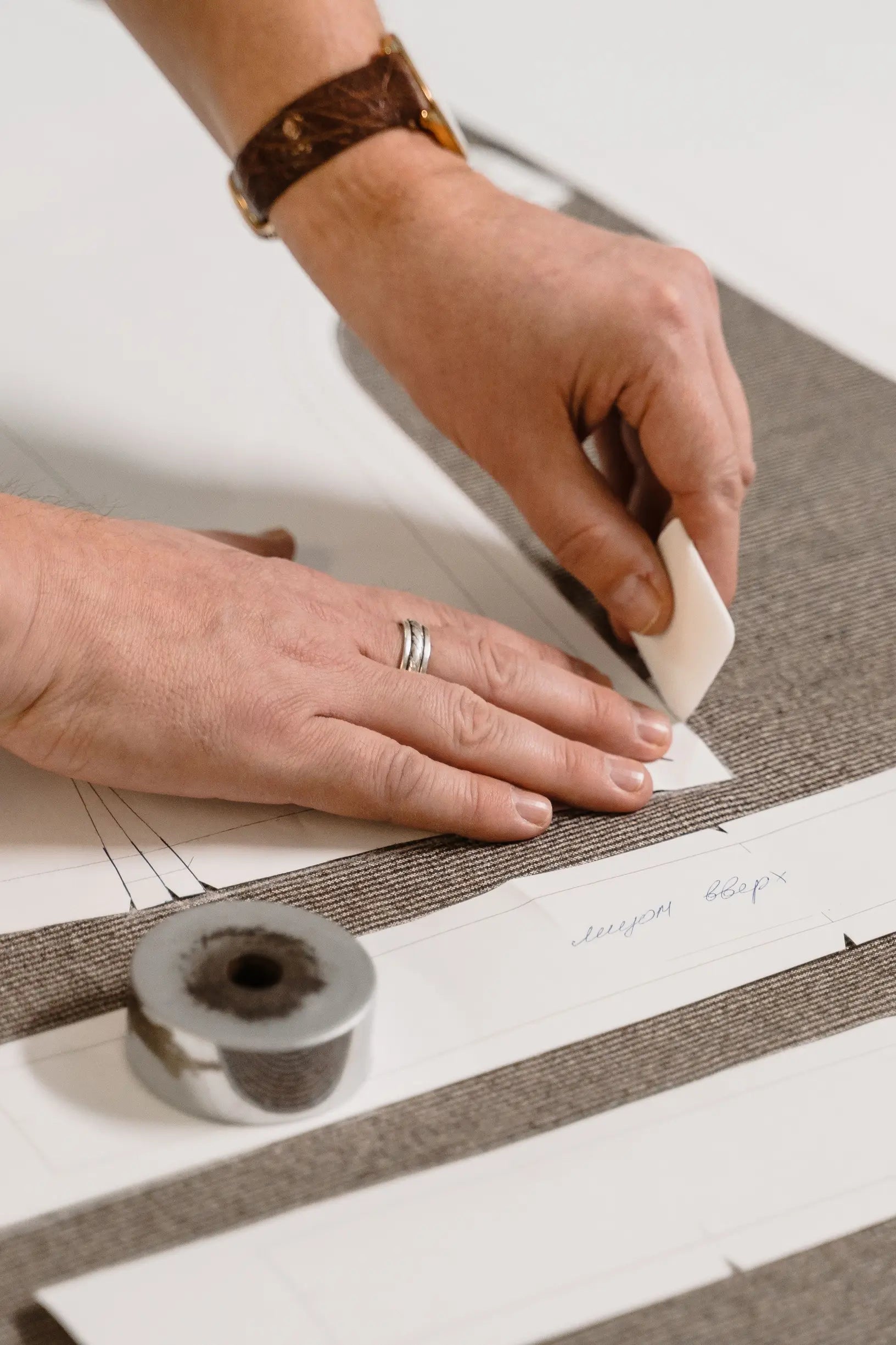

When a gabardine jacket stops beading rain, or its shoulders and waist feel looser or stiffer than they once did, it can be difficult to decide whether to repair, reproof, or replace it. Gabardine's tightly woven wool, cotton, or blended fabric pairs a water-repellent finish with a tailored silhouette, so treating one without care can alter the other.
In this guide we explain how to inspect fabric and finish for signs of wear and damage, why gabardine gradually loses its water repellency, and how to choose and apply reproofing methods that restore performance without altering the jacket's shape. We also cover how to heat-set treatments correctly, and maintenance and storage practices that preserve water resistance and keep the jacket true to its original fit.

Examine fabric and finishes for signs of wear and damage
Sprinkle a few drops of water across the shoulders, sleeves and hem. If the droplets bead and roll away, the durable water-repellent finish remains intact; if they form flat, dark patches, the finish has failed and the garment will need reproofing or a deeper clean. Inspect seams, cuffs and other high-wear areas by sight and touch for frayed threads, a thinning weave, seam puckering, or a loss of surface sheen. Press the fabric between finger and thumb to feel for fibre compression, which signals reduced breathability and a shorter service life. Run the zips up and down, check that buttons and toggles are securely stitched, and confirm that plackets and storm flaps still overlap correctly, since misaligned hardware alters how a jacket sits and how well it sheds water.
Also inspect the lining, interfacings, and pocket bags for delamination, oil stains, or heat damage. Oil and grease appear as darker, flatter patches that can repel reproofing, a waterproofing treatment. Separated linings often indicate repeated laundering or exposure to heat, which can alter a garment's fit and the support of structured panels. Record any fit and structural changes with measurements and photographs; measure shoulder width, chest, sleeve length, and hem position, then compare those figures with the original specifications or earlier images. Note where seams have stretched or shrunk so you can decide whether to tailor, reinforce, or replace compromised panels.
Re-wax this heavy-duty shell to restore weatherproofing.

How gabardine loses its water-repellent finish and how to maintain it
Gabardine’s tight twill weave resists water at first because a surface finish causes droplets to bead on the fibres rather than penetrate the yarns. That finish sits on the surface, so abrasion at cuffs and shoulders, oily or dirty patches that soak instead of beading, repeated laundering or harsh cleaners, and exposure to ultraviolet light or pollutants will remove or degrade it, while the weave itself remains intact. To distinguish finish loss from ordinary dampness, perform a few simple checks. Place a few drops of water on several areas: if they bead, the finish is still present; if they spread, the finish may have failed. Rub a clean cloth over any suspected oily spots—transfer to the cloth indicates contamination rather than finish wear. Inspect seams and high-friction zones for loss of sheen. Finally, try a discreet patch test with a mild cleaner: if beading returns after cleaning, contamination was likely the issue; if darkening or long-lasting wet patches persist, the surface finish has probably failed.
To restore a jacket's repellency, begin by brushing away surface dirt and pretreating any greasy spots. Wash with a gentle detergent that contains no fabric softener. Dry, and where appropriate, apply gentle heat or steam to relax the fibres and, in some cases, reactivate finishes. Finish with a suitable reproofing treatment, testing it first on an inconspicuous patch, and reinforce any seams or stress points that show wear to reduce the risk of future failure. To preserve the original fit, clean the jacket before attempting to reshape it. While damp, smooth the garment over a shaped hanger or block to restore its lines, and avoid aggressive heat that can shrink or distort. If lining tension or permanent distortion prevents a proper drape, seek professional alteration.
Choose breathable gabardine that resists water and abrasion.

How to choose the right reproofing products and techniques
Match the reproofing method to your gabardine's fibre content and the finish you want. Wash-in treatments penetrate fibres and preserve drape, spray-on, fluorocarbon-free DWR (durable water repellent) applications refresh surface tension without stiffening, and wax or oil rub-ons give long-term water beading but can darken colour and alter the fabric's hand, meaning its feel. Always test any product on a hidden patch: clean the area, apply a small amount, allow it to dry, then inspect for colour change, loss of drape, or cracking of the finish when you stretch the fabric. Prepare the garment before treatment by removing surface dirt and body oils that impede adhesion, closing zips and fastening buttons to preserve shape, and masking trims and hardware to prevent uneven deposits.
When applying care products, protect a jacket's fit and finish. Hold sprays 20 to 30 centimetres from the fabric and use light, overlapping passes. Dilute wash-in products, or agitate them gently, to avoid saturating interlinings, which can stiffen or distort the shape. Warm rub-on waxes in your hands, then work thin layers along the weave to retain suppleness. Use a simple drop test to judge when to reproof: sprinkle a few drops of water on the surface; if they bead, the proofing remains effective; if they sink in, reproof. Treat high-wear areas, such as seams and cuffs, before addressing the body panels. Air-dry the jacket flat or on a padded hanger to preserve its shape, and avoid high heat or vigorous tumbling, which can shrink the weave or alter the fabric's hand.
Reproofing checklist for gabardine: choose, test, apply, maintain
- Match product to fibre and finish: use wash-in treatments to penetrate fibres and preserve drape for wool or fine blends, choose fluorocarbon-free spray-on DWR for a light surface refresh on mixed or synthetic blends, and reserve wax or oil rub-ons for heavy cotton gabardine when long-term beading is required; avoid wax on garments with delicate interlinings, light-coloured finishes, or trimmed areas because wax will darken colour and alter the hand, so always patch-test first.
- Prepare and patch-test like a pro: remove surface dirt and body oils, close zips and fasten buttons to hold shape, and mask hardware and trims; on a hidden panel clean the spot, apply a small amount of product, let it dry fully, then check for colour change, loss of drape, and finish cracking when you stretch the fabric.
- Apply with controlled technique: hold sprays 20 to 30 centimetres away and use light, overlapping passes; dilute wash-in products or use gentle agitation so you do not saturate interlinings; warm wax or oil between your palms, then apply sparingly in the direction of the fibres to help keep the fabric flexible; air-dry flat or on a padded hanger, since heat from a clothes dryer or aggressive spin cycles can shrink the weave and change the fabric's hand, so dry gently.
- Maintain and troubleshoot: use a simple drop test—water should bead and sheet off—to decide when to reproof, prioritise high-wear areas such as cuffs, seams, and shoulders for earlier touch-ups, and reproof repaired panels before rehanging; if you see streaking, remove excess product with a gentle detergent wash then reapply thinly, if tackiness persists allow full cure and avoid layering products, and if the finish becomes stiff or cracked strip and reapply with a gentler treatment after a patch-test.

How reproofing and heat setting restore water repellency and preserve fit
Start with a drop test on an inconspicuous area. If water beads, the durable water-repellent finish remains effective; if it soaks in, the finish requires renewing. Use a specialist technical fabric cleaner to remove oils and detergent residue, rinse thoroughly, and reproof only once the fabric is free of contaminants. Choose a suitable reproofing method, such as spray-on for targeted spots, wash-in for whole-garment coverage, or seam sealing for stitched areas, and always trial the product on a hidden patch to confirm compatibility.
If the care label permits, reactivate the durable water repellent (DWR) finish by gentle heat-setting. Use a warm iron with a pressing cloth, or a low-heat tumble in a dryer with a protective cover, to encourage the DWR polymers to bond and the fibres to lie flat. Avoid vigorous agitation and repeated exposure to high heat, which can distort the garment. Replace or reinforce worn structural components, such as taped seams or inner linings, to preserve the jacket's fit and function. Reproofing restores surface repellency but will not repair membrane punctures or reverse permanent shrinkage.
Choose breathable, water-repellent tailoring for everyday protection.

How to care for and store your jacket to retain its water resistance
To preserve a gabardine jacket's water repellency and shape, spot-clean stains with a mild, pH-neutral detergent and cool water. Dab gently with a soft cloth rather than rubbing, then rinse and blot away excess moisture. Reshape the garment and allow it to dry on a wide, padded hanger. Avoid tumble drying, and keep the jacket away from heat, fabric softener, and bleach, which can alter finishes or shrink fibres. If pressing is necessary, use a cool iron with a cloth barrier or a gentle steamer. Check water resistance with a simple sprinkle test: droplets that bead indicate an intact finish, while rapid absorption shows the treatment has worn away. If reproofing is required, choose a suitable reproofing treatment, test it on an inconspicuous seam, and allow it to cure fully before wearing.
Keep the jacket clean and completely dry before storing. Place it unstressed on a supportive hanger and cover it with a breathable garment bag, leaving room to avoid creasing. For wool blends, use natural moth deterrents such as cedar blocks. Damp storage encourages mould and weakens fibres, so always check that the jacket is dry before putting it away. Inspect seams, lining, and fastenings periodically, and repair small tears or loose stitches promptly to prevent them widening and admitting water. For stubborn stains, alterations, or if you are unsure about reproofing, consult a professional cleaner experienced with gabardine to preserve both fit and finish.
Overall, inspect a gabardine jacket regularly, remove surface oils with a soft cloth and mild soap, and choose reproofing methods that respect the garment's original shape. A simple water-bead test shows whether the finish remains effective: sprinkle a little water and watch whether droplets bead and run off or soak in. Treat stains only where they appear, blotting with a mild detergent rather than rubbing, so as not to disturb the weave. To restore repellency, use a product suited to gabardine and follow the instructions; a gentle application of heat, for example a warm iron held briefly through a cloth or a short, low-heat tumble, can help reset surface treatments, but always test an inconspicuous area first. Finally, favour measured repairs and cautious drying to preserve the jacket's shoulder and waist drape.
Use the inspection, product selection, application, and storage headings above as a checklist when deciding whether to refresh a finish, reinforce seams, or consult a professional about lining or structural repairs. A short routine of cleaning, testing, and careful reproofing restores water repellency, preserves the jacket's drape and original fit, and keeps it dependable for years.