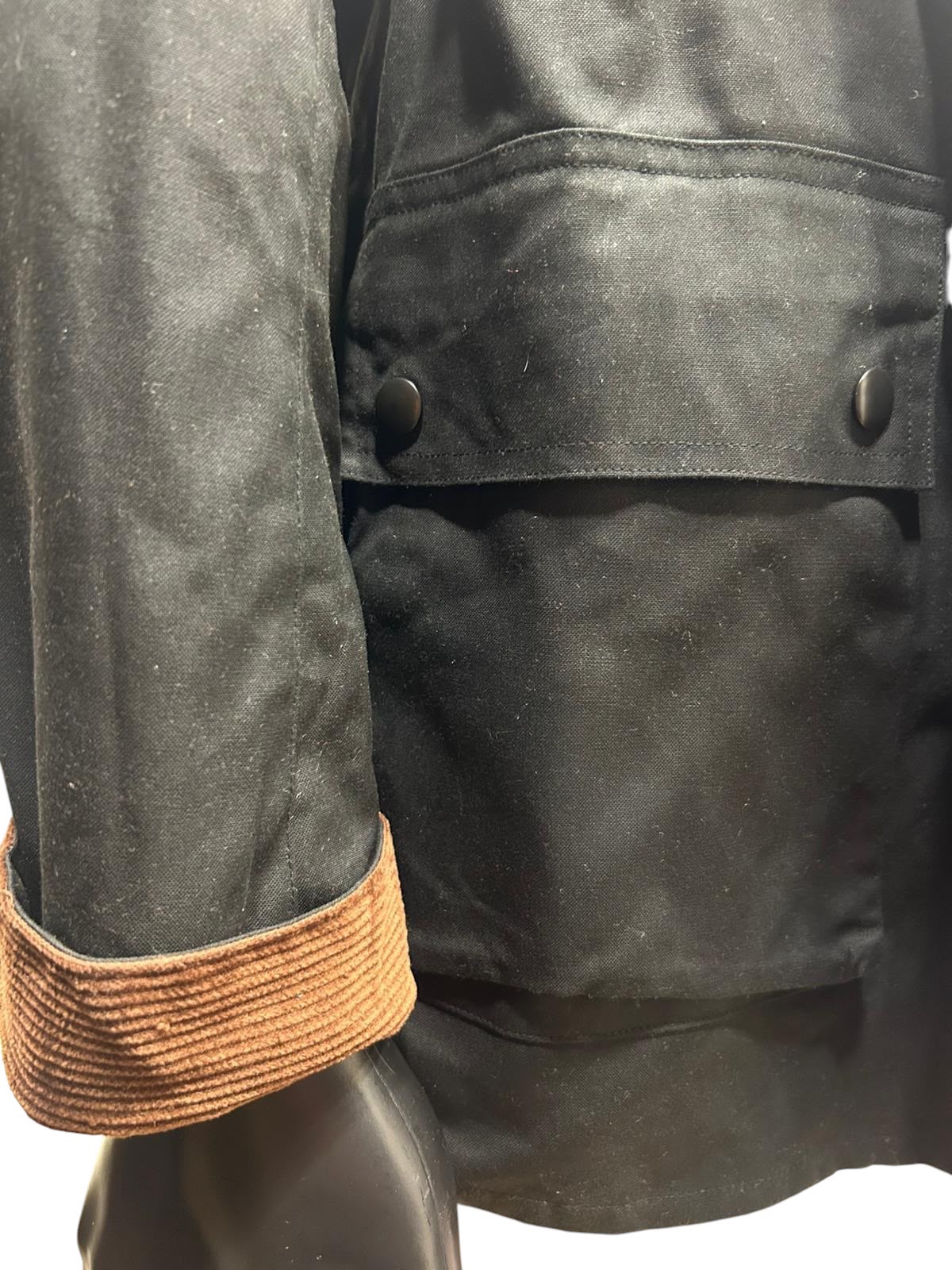

You may notice favourite jumpers and shirts begin to wear after only a few wears. Fast fashion's shortened production cycles and standardised sizing often produce lighter fabrics, coarse seams, and poor fit, which in turn lead to more frequent repairs.
Locally made garments favour time-tested construction and more robust fabrics that resist wear and reduce seam failure. Combined with precise tailoring and ready access to repairs and replacement parts from nearby workshops, garments require less maintenance and remain serviceable for longer.

1. Choose durable fabrics and time-tested construction for garments that last
Examine fibre content, weave, and the garment's hand to judge fabric strength. Long-staple natural fibres or tightly spun synthetics, a dense feel with good recovery, and structured weaves such as twill or canvas all indicate slower wear and reduced pilling. The hand is simply how a fabric feels and how it springs back; a firm, resilient hand often signals durability. Practical garments put this into practice: a twill denim or canvas jacket will resist abrasion, while a wool jumper with ribbed cuffs will recover from stretching. Checking these details lets you predict how a piece will perform in everyday use.
Look for construction designed to take strain: flat-felled and French seams, double-stitched hems, bar tacks at stress points, and gussets where movement concentrates wear. Simpler cuts with fewer panels, set-in sleeves, and articulated knees reduce stress and snagging, while discreet fastenings limit points of failure. Features that make repair straightforward include generous seam allowances, accessible linings, and replaceable buttons or zips; a spare button sewn into an interior seam is a common example. Together, these finishing and design choices enclose raw edges, distribute load, and make small repairs quick, extending the garment's serviceable life.

2. Tailored fit and functional details
A proper tailor fit reduces strain on seams and fabric. To test a garment, raise your arms, sit, and bend at the waist; any pulling or tightness pinpoints areas of stress that can lead to seam failure. Common remedies include adding a gusset, lowering or easing an armhole, and altering dart placement to redistribute tension and minimise future repairs. Also look for reinforcement and finishing techniques in high-wear areas: bar tacks at pocket corners, flat-felled or French seams, and a higher stitch density on hems and seams. Where the garment will face the most stress, ask your tailor or maker to apply these methods.
Choose adjustable, functional details that extend a garment's usefulness. For example, specify extendable hems, removable or adjustable cuffs, adjustable waist tabs, and vents to improve mobility, and decide at the fitting which features suit your routine. Pocket design affects a garment's longevity. Shallow, unsecured pockets cause sagging and stress, so test pockets with the items you normally carry. If they pull or gape, reposition the pocket bags or reinforce the pocket openings to prevent tearing and preserve shape. Bring a favourite, well-fitting garment as a template, and request a basted or muslin fitting before final stitching so changes are tested in motion. Note precise alterations for future orders, and ask the maker to mark altered pattern pieces so repairs and replacements reproduce the original fit.

3. Use local repair, care, and supply networks to extend clothing life
Contact the maker or a local tailor for construction notes and any spare materials. Sew a small contact label inside the garment recording the maker, stitch type, and thread colour so future repairs can match the original work; matching stitch and thread preserves seam strength, maintains fit, and reduces uneven wear. Visit repair cafés, community mending workshops, or skill swaps and learn one durable technique, such as darning or reweaving. Assemble a compact repair kit with a needle, a selection of matching threads, spare buttons, a short length of spare fabric, and a small pair of scissors so you can address common damage promptly and delay the need for professional intervention. Build a local parts network by requesting offcuts, deadstock trims, and surplus zips and buttons from nearby studios, and store them labelled and organised for easy reference.
Identify specialist services locally, such as cobblers, leatherworkers, and cleaners who use appropriate conservation methods, and keep a short list of trusted repairers for targeted work on soles, zips, or delicate fabrics. Prioritise repairs that preserve a garment's structural components rather than quick, generic fixes. Consider reciprocal arrangements with local makers and menders, or establish a neighbourhood mending exchange to share skills, materials, and turnaround times. Place a discreet repair note inside frequently worn items so a repairer can see past interventions and advise on preventive care.
Clothing made locally often endures longer. Makers favour hard-wearing fabrics, time-honoured construction, and tailored cuts that reduce stress on seams and slow wear. Proximity also provides ready access to repairs, spare parts, and construction notes, so minor faults can be remedied before they grow, keeping garments serviceable for years.
Check the fibre content and the weave, test the fit while moving, and opt for reinforced finishes such as flat-felled seams or bar tacks, which reduce future repairs and help garments retain their shape. When attending a fitting, bring a well-fitting garment as a reference, learn one simple mending technique such as basic darning or a neat re-stitch, and compile a local list of suppliers for spare buttons, thread, and zips so garments spend more time in use and less time in repair.