
Utility garments are designed for purpose, yet achieving a refined silhouette requires attention to cut, proportion, and fabric. How do you preserve freedom of movement while refining proportions and choosing the right materials?
Practical guidance on prioritising fit, choosing fabrics and construction that support natural movement, and adding tailored finishes to sharpen the silhouette. Tactics include measuring and adjusting key points, selecting fabrics with appropriate stretch and recovery, and refining hems, seams, and fastenings so garments move freely while maintaining a clean, smart line.

Prioritise fit for effortless comfort and freedom of movement
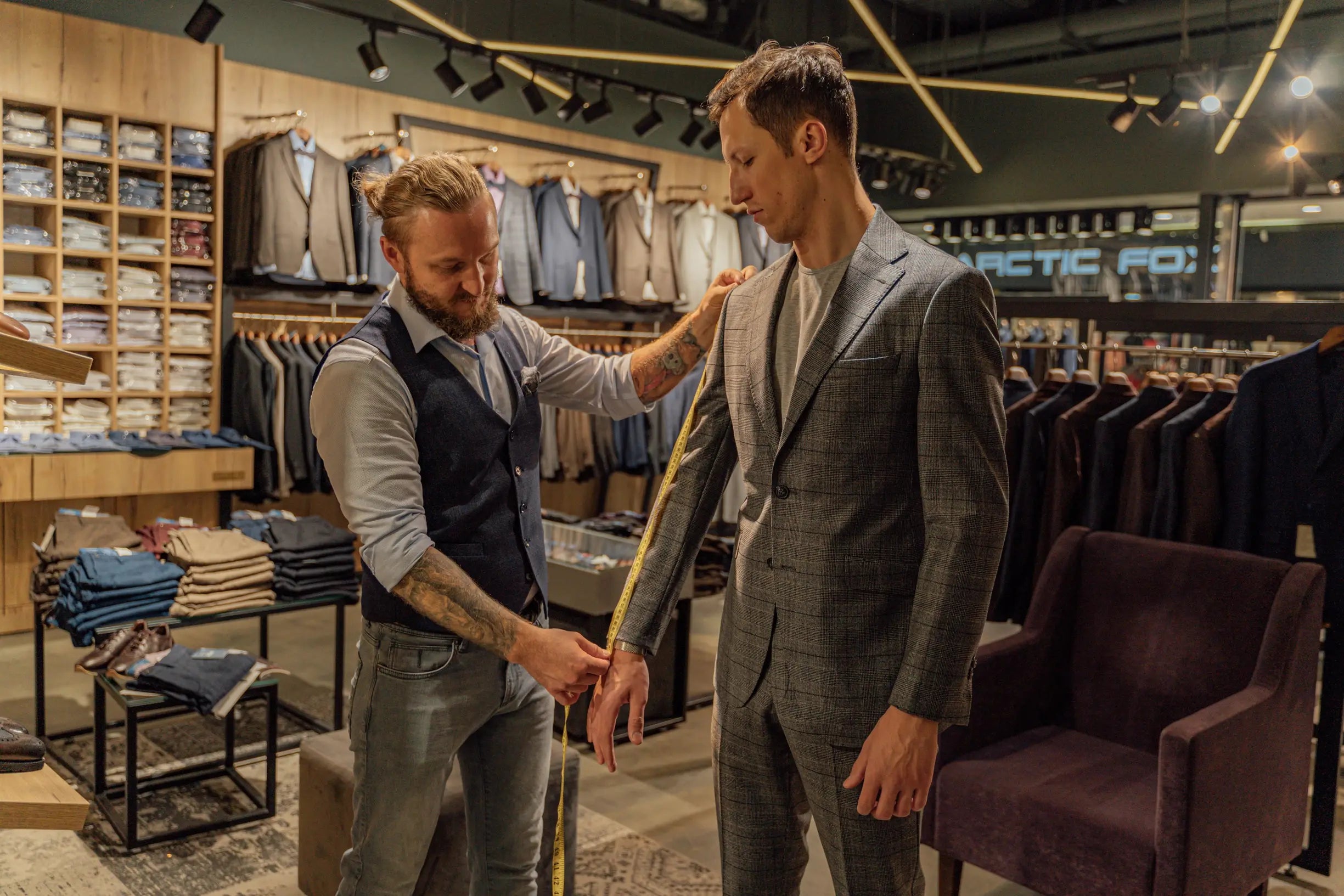
Begin with dynamic fit tests. Raise both arms overhead, reach across your chest, and sit and stand while wearing the garment, noting any fabric that pulls at the shoulder seams, a hem that rides up, or restricted breathing. If movement pulls stitching or exposes skin at the joints, the cut or size does not provide sufficient freedom of movement, so repeat the tests wearing the layers you plan to use beneath. Allow measured ease according to a garment's role: close-fitting pieces require about 2 to 4 centimetres of extra circumference at the chest and hips, mid-layers 5 to 10 centimetres, and overgarments more than 10 centimetres. Measure yourself rather than rely on labelled sizes.
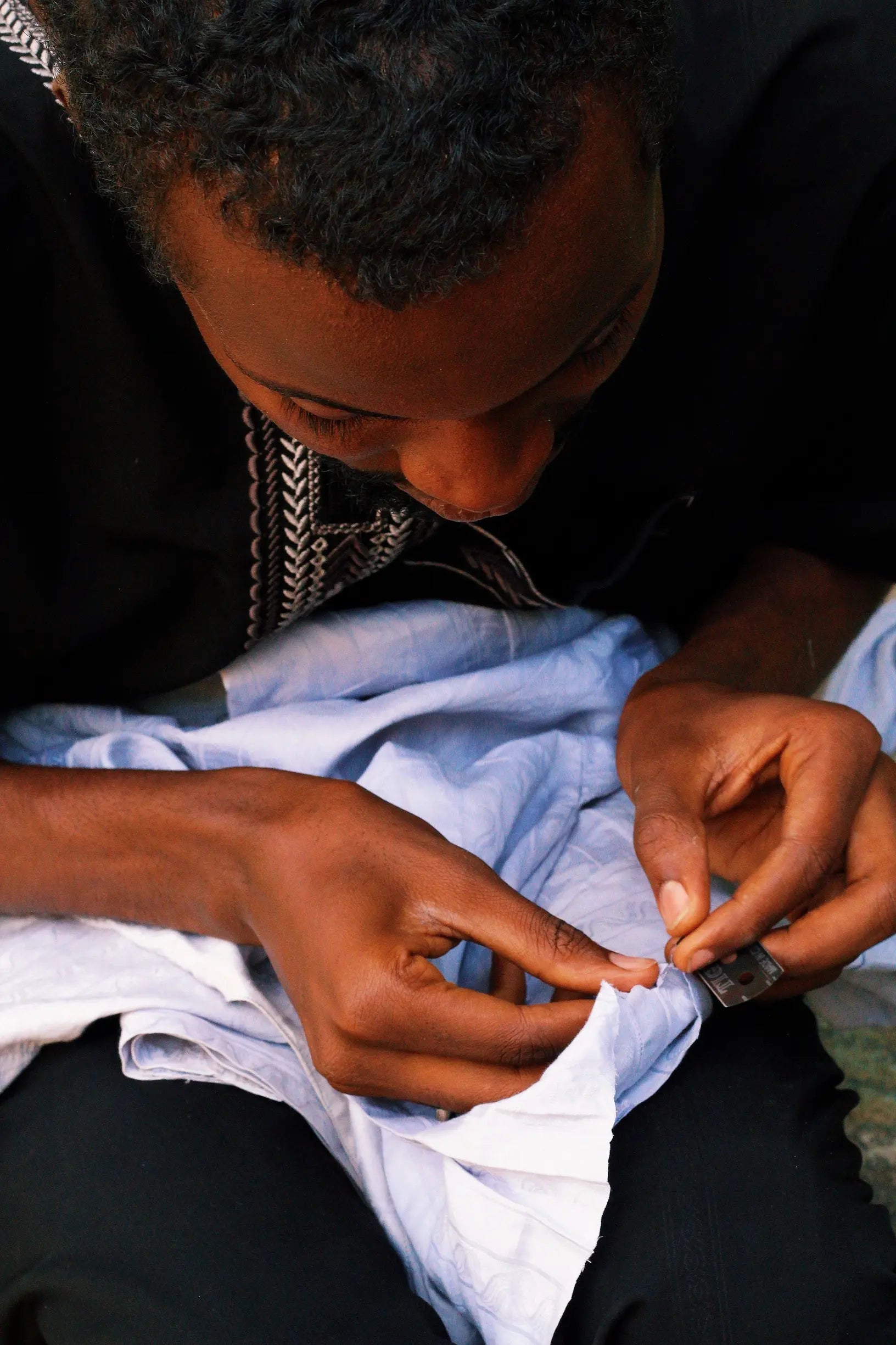
Choose fabrics and constructions that move with you: woven cloths with mechanical give, knits containing 2 to 7 per cent elastane, or details such as underarm gussets, articulated knees, and back pleats that add mobility without bulk. Check grainlines and seam placement so joins do not sit across high-stress areas, and test adjustment features such as vents, side zips, drawcords at the hem, and adjustable cuffs while moving to confirm they prevent pulling or riding. Plan for modest alterations rather than forcing a perfect off-the-rack fit, because small seam allowances typically add a centimetre or two of ease per seam, and tailors can move shoulder seams, insert gussets, or shorten hems to preserve the intended drape. Agree how much additional room you need before authorising work so the finished piece balances mobility, proportion, and the look you want.
Pick a roomy twill layer for unrestricted movement

Choose fabrics and tailoring that allow freedom of movement
Start by choosing fabrics with the right kind of stretch and dependable recovery. Compare knitted, woven, and structural stretch, and favour materials that return close to their original length after a 50 per cent stretch to preserve shape under load. Use elastane for targeted elasticity in areas that must snap back, and rely on mechanical stretch from the weave or knit where abrasion resistance and long-term shape retention matter, balancing give with durability. Match weight and drape to joint areas: place lighter, more fluid fabrics at the shoulders, underarms, and hips to avoid bulk, and reserve midweight or reinforced weaves for high-abrasion panels. Pinch and drape samples over a joint, layer them, and observe folding, restriction, and the fabric's behaviour under real movement.
Let panels and patterns follow movement, not resist it. Integrate gussets, articulated knees and elbows, and shaped side seams, and add pleats or small vents at extension points to allow controlled expansion. Specify seam and reinforcement methods that protect mobility — for example, flatlock seams, binding, and bar tacks at stress points — and favour reinforced but flexible panels over stacking rigid layers, since heavy waterproof taping or stiff binding reduces stretch. Test prototypes on the body: perform deep squats, full arm raises, cross‑body reaches, and repeated bending, mark visible pull lines and stitch stresses, then iterate the pattern and retest after any change of fabric or seam type.
Prefer flowing, pleated trousers that move with you.

Add subtle tailored finishes for a smarter silhouette
Replace bulky external patch pockets with low-profile welt pockets or internal zip pockets. They retain storage while lying flat, narrowing the midline and preventing a boxy silhouette. Refine raw edges with narrow facings, bound hems, or flat-felled seams; these prevent soft fabrics from flaring and create crisper lines without adding bulk or stiffness. Choose low-profile closures and hardware, such as concealed zips, matte sliders, and flat buttons, to reduce shine and protrusion and preserve a cleaner silhouette.
Introduce subtle tailoring through single darts, vertical seam lines, or gentle waist tucks to redirect surplus cloth into a cleaner, tapered silhouette. Preserve ease of movement by positioning seams where the body bends and by inserting discreet stretch panels so the garment stays functional as well as refined. Rebalance proportions at the hem and cuff by tapering widths, adding cuff tabs, or shaping the hemline to shift visual weight away from the hips and lengthen the line. Together, these modest interventions refine utility pieces into smarter, more intentional garments without sacrificing storage or comfort.
Refining utility pieces begins with designing for movement, then sharpening the lines through selective fabric choices and subtle tailoring. Rigorous fit testing, fabrics with dependable recovery, and strategically placed panels or darts preserve mobility while presenting a cleaner, more purposeful silhouette.
Prioritise fit and freedom of movement. Choose constructions and fabrics that move with the body, and favour low-profile finishes to reduce bulk and maintain clean proportions. Measure and test garments while wearing the layers you typically use, and plan modest alterations so the pieces perform without compromising a considered, intentional silhouette.