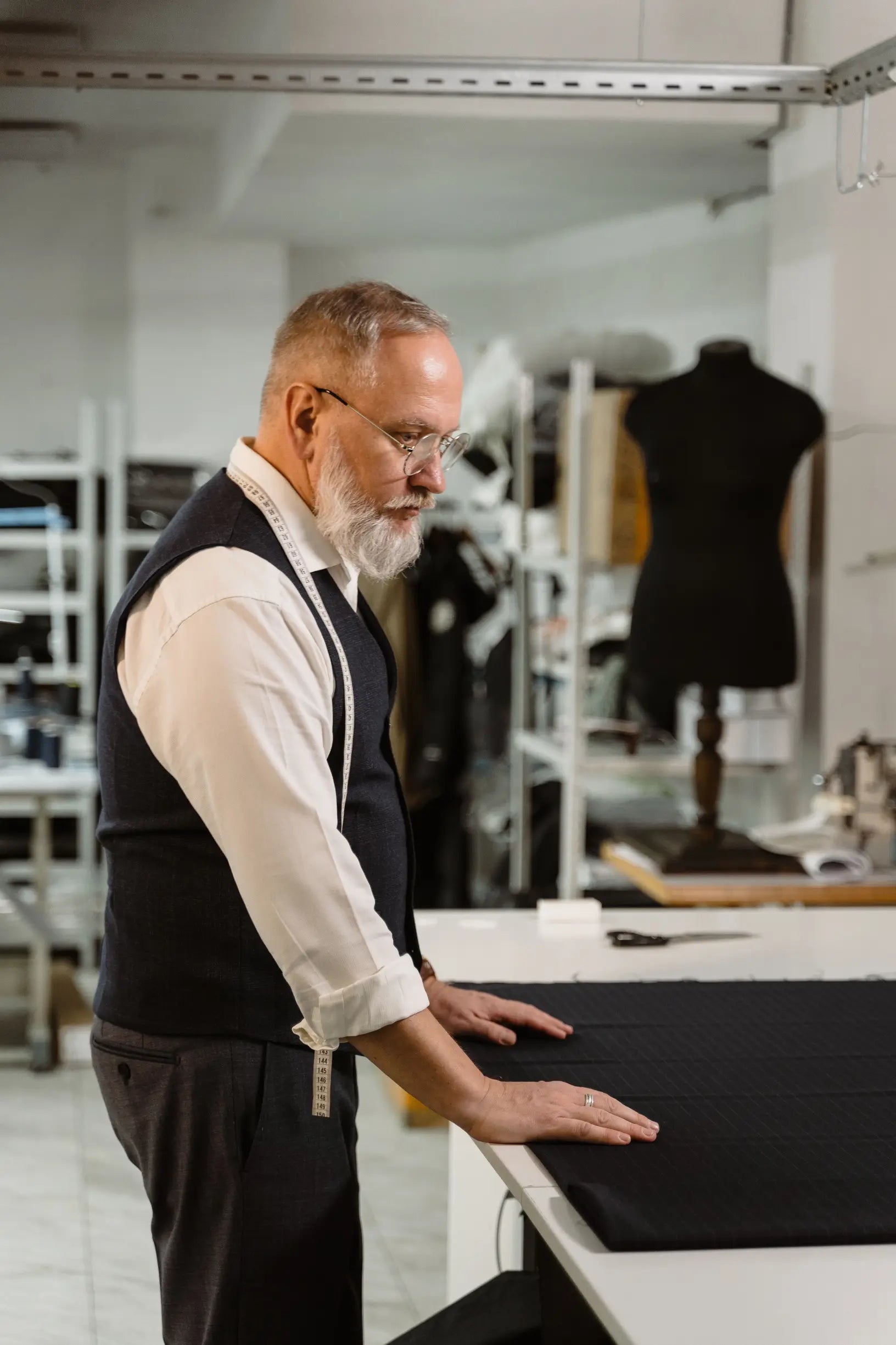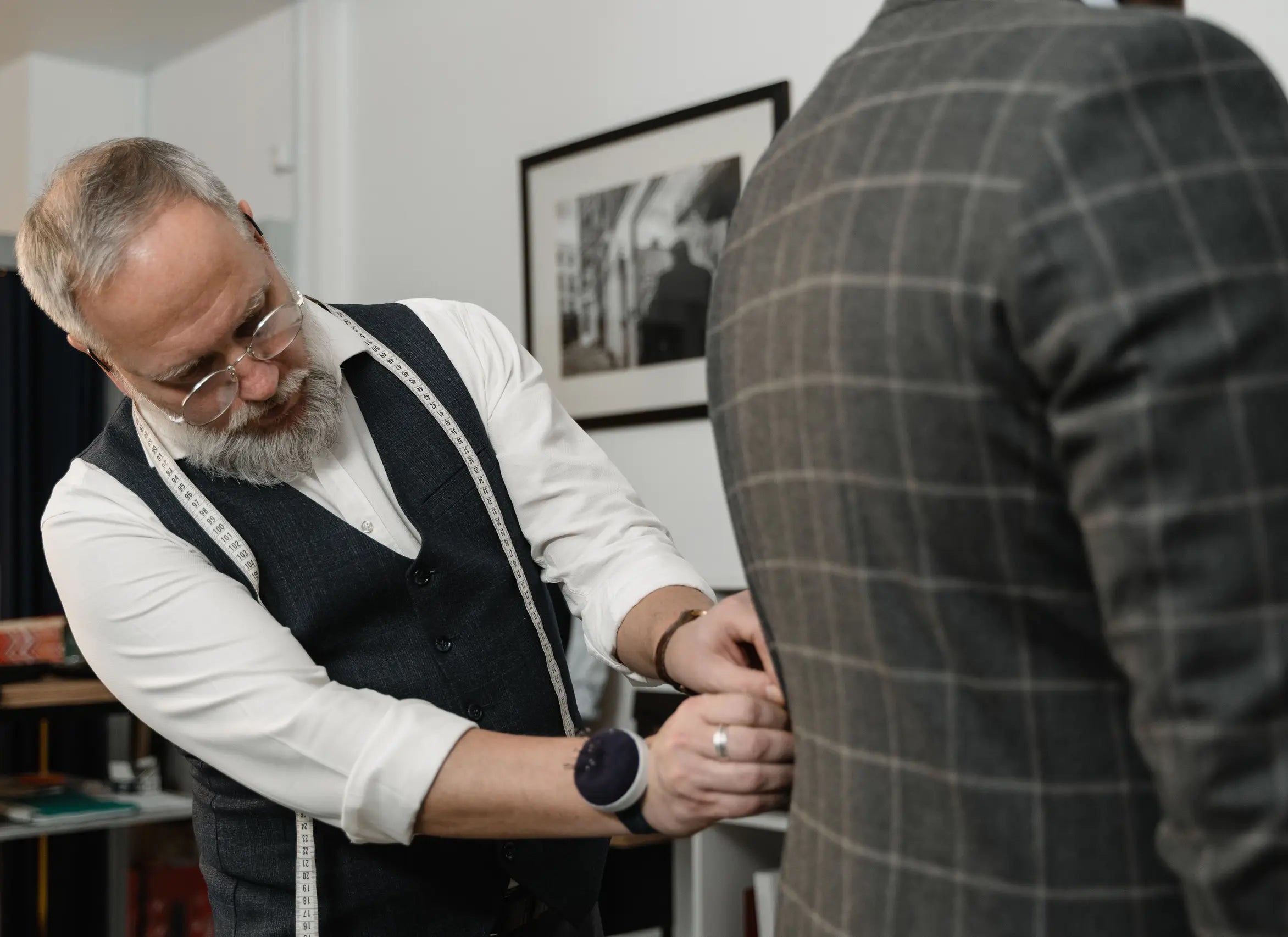

Many reach for a replacement the moment a garment begins to show wear, yet the true cost rarely lies in the repair itself. It lies in clothing that was never built to be mended. The fabrics, fastenings, and construction methods woven into a garment from the outset determine whether a small tear becomes a minor task or a reason to discard it entirely.
Utility clothing addresses this directly, prioritising features that support maintenance by design: materials that mend cleanly, and modular components that can be replaced without disrupting the rest of the garment. For those who spend time working outdoors or on the land, the three garment features that follow are worth understanding in some depth.

1. Choose fabrics that wear well and repair with integrity
Woven fabrics such as canvas, ripstop, and twill hold stitches more securely than knits, so a repair sits flat and stays put rather than puckering or unravelling with use. Tightly woven natural fibres like cotton and linen respond well to ironing after patching, which helps a mend settle into the surrounding fabric rather than standing proud of the surface. Fabrics with a visible weave structure, such as herringbone or plain-weave cotton, also offer a built-in grid for hand-stitching, letting you keep lines straight without marking the cloth beforehand.
When choosing utility clothing with repairability in mind, steer clear of high-sheen synthetics and bonded-backing fabrics, as these resist needle penetration and cause adhesive patches to lift at the edges over time. A medium-weight fabric strikes the most practical balance: heavy enough to grip thread tension without tearing, yet pliable enough that folding a seam allowance for a neat, discreet mend does not become a battle with the cloth itself.

2. Seek out design details that allow worn components to be replaced
Some utility garments are constructed with modular panels that attach via heavy-duty press studs, hook-and-loop fasteners, or bar-tack stitching, allowing a single worn section to be detached and replaced without disturbing the rest of the garment. Contrast-coloured topstitching and exposed seam lines serve as a visual record of the construction, marking precisely where one panel ends and another begins. Externally applied pockets, stitched onto the surface rather than cut into the base fabric, follow the same principle: they can be unpicked and replaced with fresh canvas or ripstop without altering the underlying shell.
Reinforced stress points, bar-tacked pocket corners and double-stitched seams, are the areas most likely to give way under sustained physical use, and garments that address these zones directly make targeted repairs considerably more straightforward. Interchangeable knee pad inserts and elbow pad sleeves illustrate the principle well: the pad pocket is built into the construction at the design stage and accepts a fresh insert once the original wears through, extending the life of the outer shell without any structural work. Together, these details move the conversation on from whether a garment can be repaired to how quickly and cleanly the job can be done.

3. Prioritise reinforced construction built to endure years of hard wear
When assessing utility clothing for home repairs, the construction details tell you far more about longevity than the fabric colour alone. Reinforced stitching at stress points such as pockets, seams, and knees distributes tension across a wider area, reducing the likelihood of tearing mid-task, while bar tacking at high-stress junctions like belt loops and pocket joins signals that the garment has been built to withstand repeated bending, lifting, and kneeling. Gussets, the triangular or diamond-shaped fabric inserts sewn into the crotch or underarm, allow for a greater range of movement without straining the seams, which matters when you are crouching under a sink or climbing a ladder.
Fabric weight and weave density are equally worth examining before committing to a garment. Holding the fabric up to the light gives a rough indication of how tightly it is woven; the less light that passes through, the better it will resist abrasion over time. Reinforced knee and elbow panels, whether made from a second layer of the same fabric or a more abrasion-resistant material, are particularly valuable for tasks like tiling, painting skirting boards, or any job that puts sustained pressure on those areas, as a garment that doubles up the material in these zones will consistently outlast one that does not.
Clothing built for repair rather than replacement is shaped by decisions made long before a seam splits or a knee wears through. The fabric, construction, and component design of a garment determine how much effort a repair will actually demand. Approaching utility clothing with these criteria in mind extends the working life of what you own, turning considered choices at the point of purchase into years of reliable service.
The three features covered here, fabric that repairs without trace, modular components that swap out with minimal disruption, and reinforced construction that distributes stress across the garment, each address a different point of failure that shortens a garment's useful life. When evaluating a piece, hold the fabric up against a light source, examine the stitching at the stress points, and check whether the worn parts can be replaced independently. Those details reveal far more about long-term value than the label ever will.